







 Sep 2026
 7 min read

Most lists of corporate event ideas fail in the same way. The idea is described, the objective is assumed and the logistics are left for later, so a format that looked good somewhere else turns out to need a licence, a tent and a fallback ballroom in the place it is actually happening.
It works better the other way round: decide what the event has to change for the people in the room, and only then what it should look like. At REALM we are a team with more than three decades of experience delivering events across Asia, and the ideas below are grouped by that first question. Wherever we can, we have used programs we have delivered and published, so you can see how an idea behaves with a real group size in a real destination. This guide covers events rather than incentive trips; for those, see incentive travel ideas in Asia.
Start with what the event has to do
Almost every corporate event is trying to bring people behind a direction, create a moment, recognise people or connect a team. The trouble is that a format that serves one of these often works against another. A high-energy reveal is wrong for a candid leadership session, and a long awards sequence can flatten a day that was meant to build relationships.
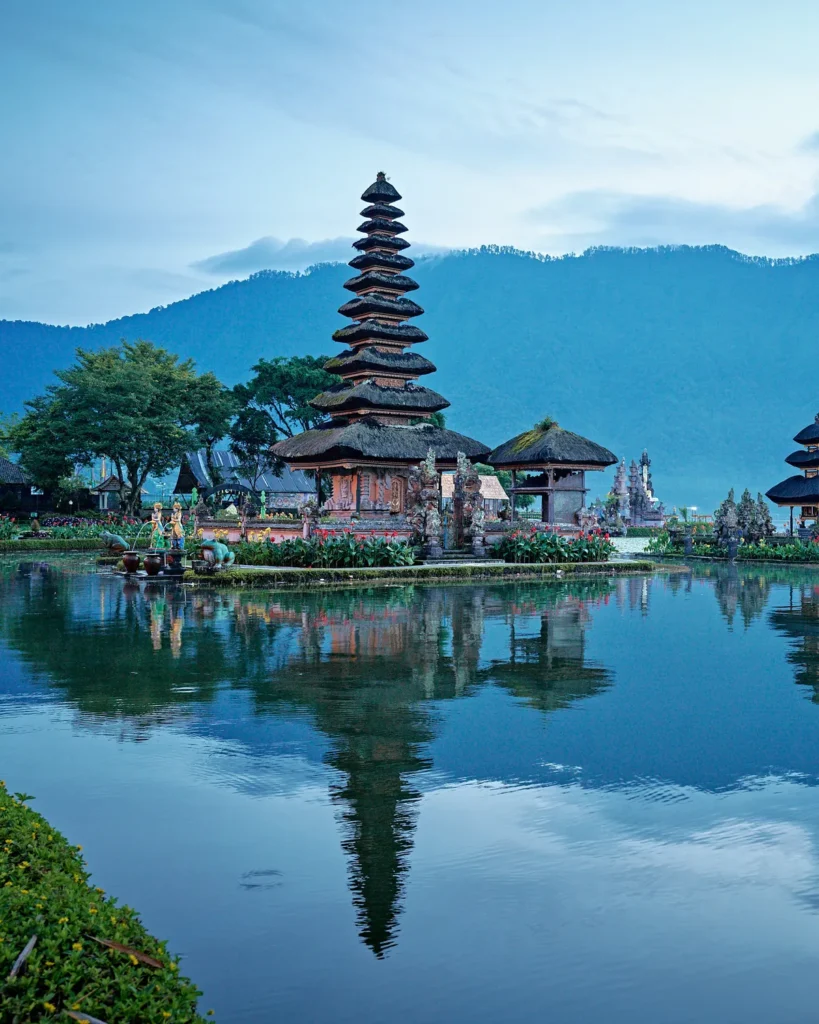
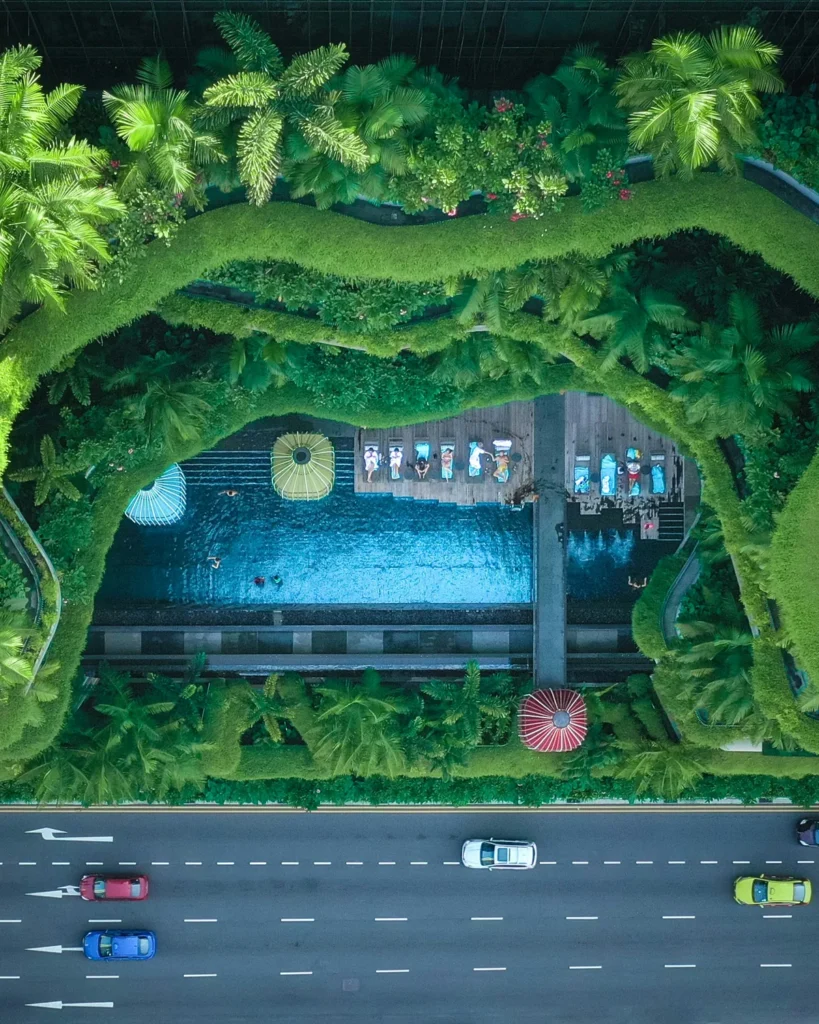
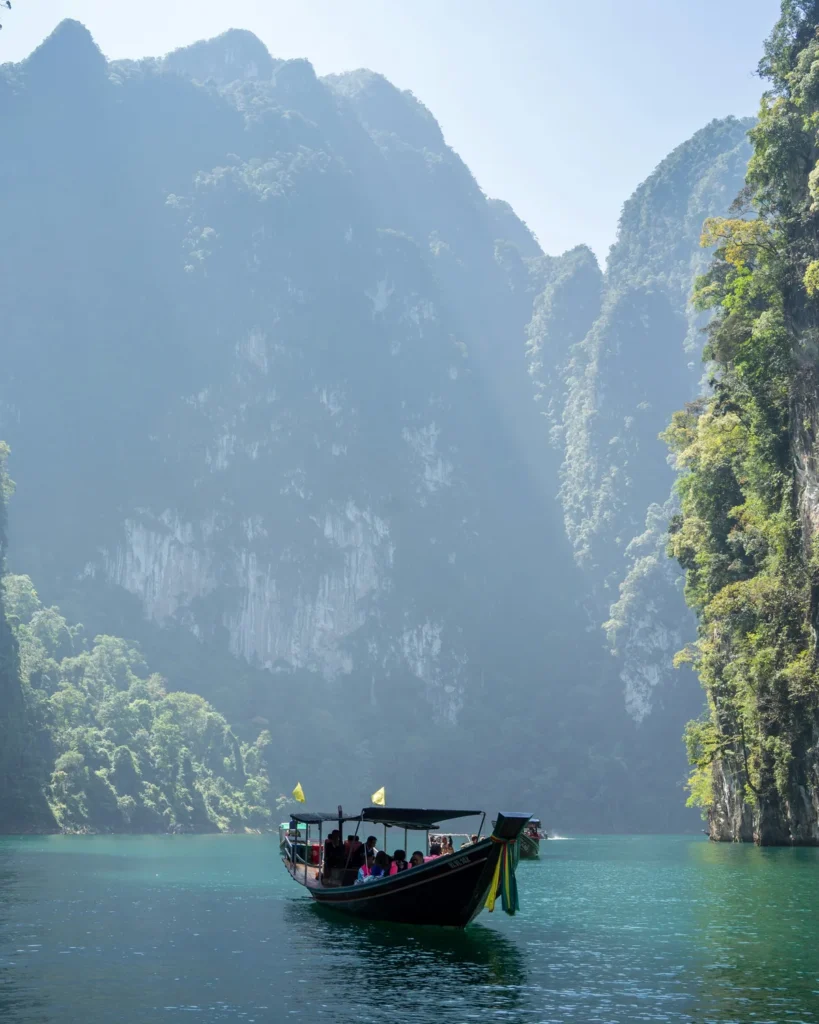
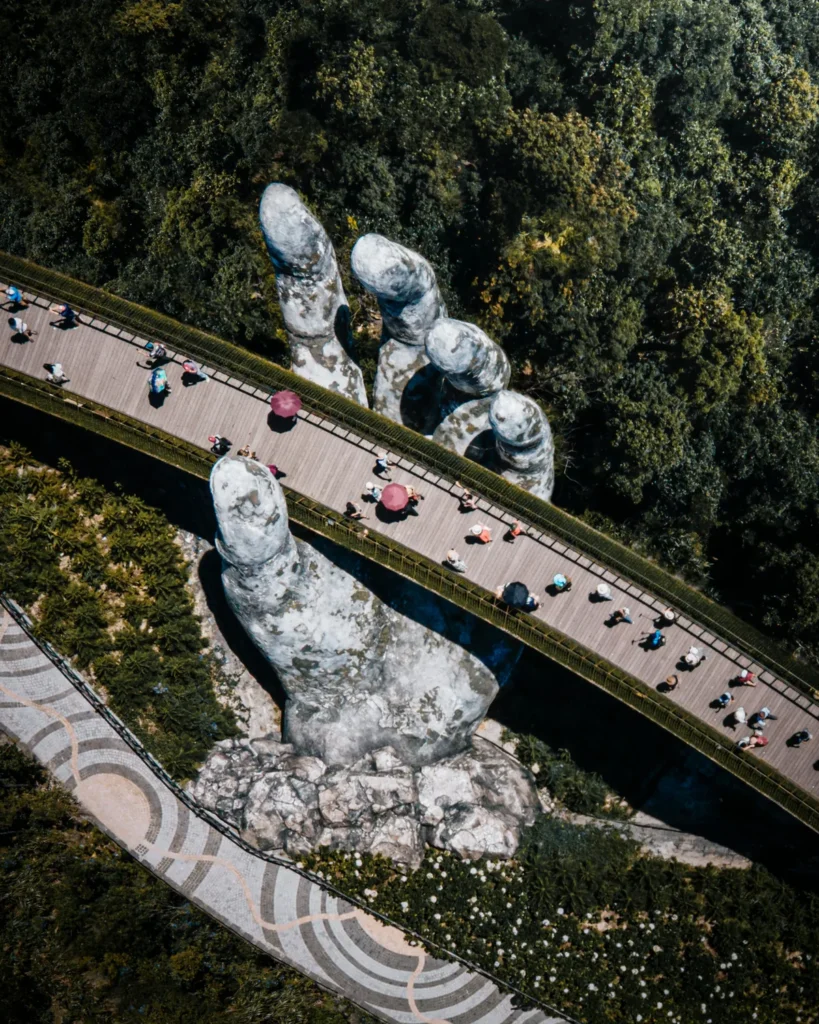
Destination is the second filter. Singapore is compact and production-rich, with short transfers, so it suits formats that depend on staging. Bali works at resort scale and gives an event culture and landscape to work with. Thailand and Vietnam bring beaches, rivers and historic towns, and our published programs there run from 60 guests to 600. Season and the local calendar decide the dates after that.
Bringing people behind a direction
Leadership offsites and strategy sessions succeed on attention and candour, so they want privacy and few distractions. A single villa estate or boutique resort, in Ubud or a quieter stretch of the Balinese coast, can hold a leadership group of a few dozen with a proper meeting room and nothing else competing for the day. Check that one property really can take everyone, and that connectivity is good enough for the sessions you plan to run.
At the other end of the scale sit rallies, town halls and conferences, where the job is to move a whole organisation or market at once. Forever Living chose us to manage its 2023 Global Rally in Bali, with 2,050 people on site and the event streamed live to almost a million participants online. The program was built closely with Forever Living’s own event and production team and designed to honour Balinese culture while it was broadcast to the world. For a gathering of that size, Bali’s Nusa Dua enclave has more than 4,000 rooms in international four and five-star hotels nearby and a convention centre with capacity for up to 12,000 seats. In Singapore the same brief usually lands in an integrated-resort ballroom or purpose-built venue, with remote offices joining through a broadcast layer.
Creating a moment
Launches and signature evenings need a setting that photographs, one moment that lands and a guest flow that gets people to the message.
In Singapore that often means building an environment where there was none. Our indoor gala under the stars for a global consulting firm put a 5,700 sqm air-conditioned tent on the Meadow Lawn at Gardens by the Bay, with Marina Bay Sands behind it, hosted about 2,500 guests and turned the space from dinner into an after-party as the sun went down. That kind of evening needs a long lead time, because the structure, power, cooling and approvals are all brought in. Our gala dinner guide for Singapore goes into the production detail.
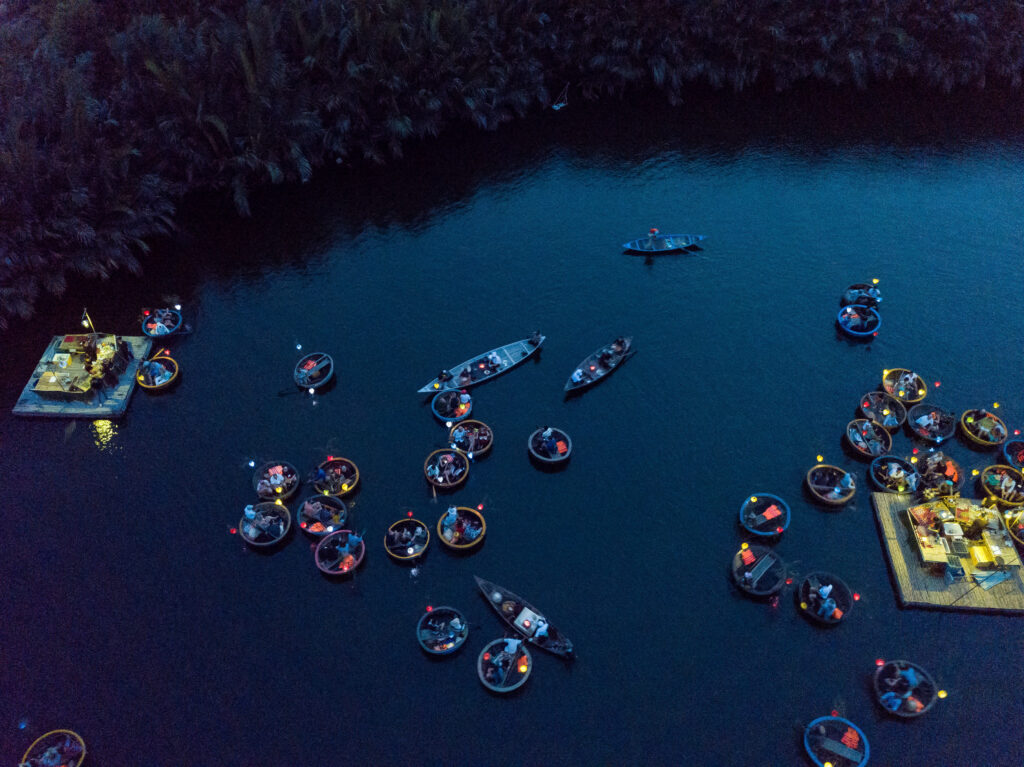
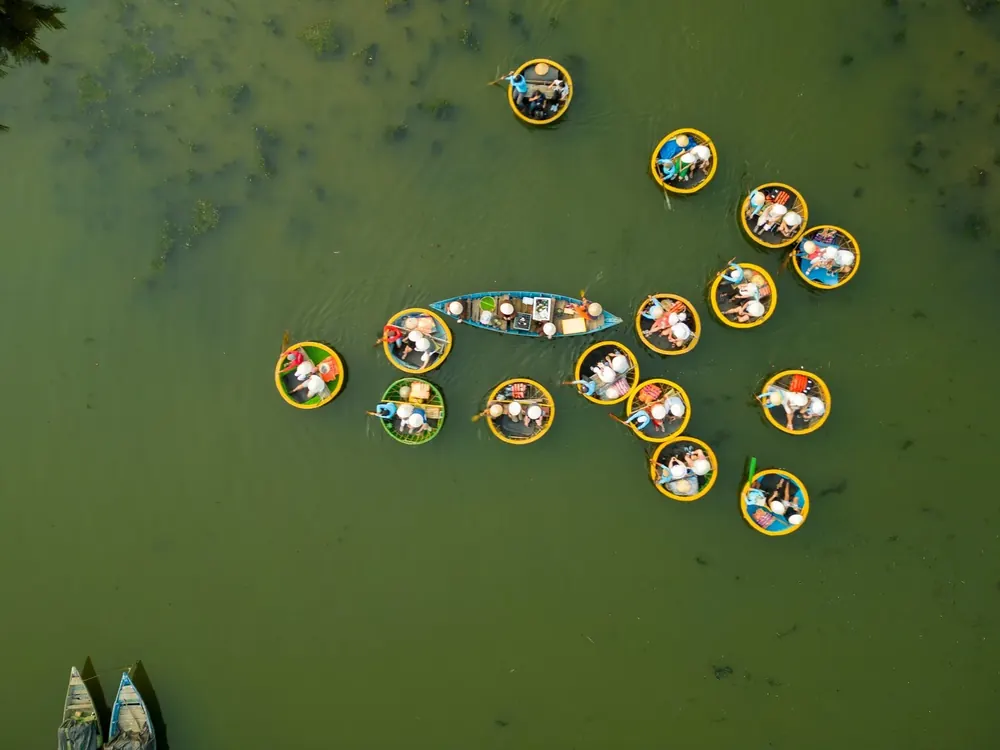
A moment can also be small and local. For Destination Inc. we took 60 participants to Tra Que, a vegetable village in Hoi An, where they harvested ingredients by hand and worked with the farmers to cook their own meal, learning about sustainability and its environmental impact along the way. For a product reveal to key accounts or partners, that scale and intimacy can do more than a ballroom. In Bali, a clifftop terrace on the Bukit peninsula gives a smaller launch a horizon, provided generator power and a wet-weather call are in the plan.
Recognising people
Awards nights and celebrations are about sequence and dignity more than the idea itself. Keep recognition in short blocks between courses and entertainment, rehearse the walk-ups and give the MC the run-of-show and the clock.
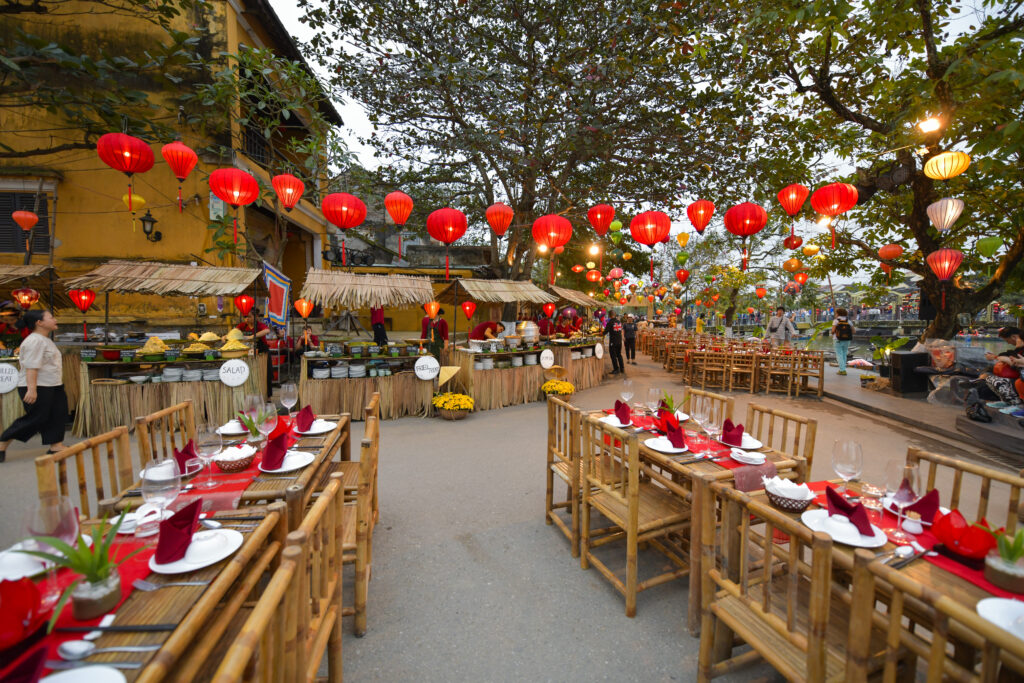
Recognition can also be spread across a whole program. When Power2Motivate asked us to mark its growth from 100 to 600 employees with five nights in Phuket for its 600 team members, the program included a Thai market-style welcome reception, an exclusive beachfront buy-out, brand activation throughout the resort, a full moon party finale and a separate high-level dinner for 30 champions at a unique venue. The planning timeline was compressed, and the published outcome was a group that left Phuket with a stronger bond. The detail worth borrowing is the champions’ dinner: the biggest achievers were recognised at a different scale from everyone else, without a long awards block in front of 600 people.
If a long-service or awards segment sits inside a conference plenary rather than on its own evening, give it a script and lighting states of its own. It is easy to under-produce a segment like this precisely because it is only a segment.
Connecting a team
Team days succeed on participation, and in Asia participation depends on heat, water and culture more than on the activity itself.
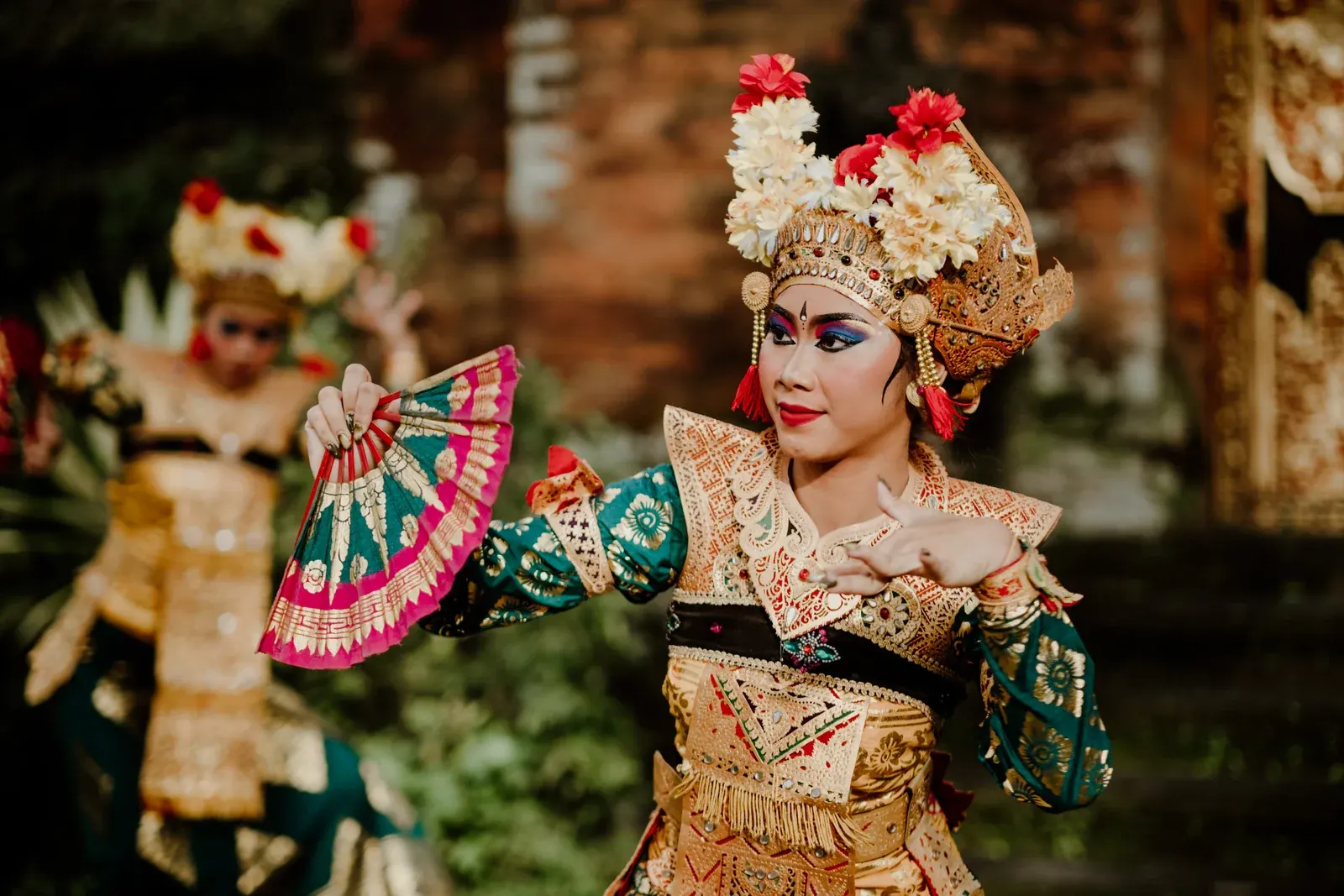
Cultural immersion works when the group does something real together. For SCIEX in Bali, we built a program around the banjar, the Balinese community model, and divided 180 participants into neighbourhoods that made gebogan offerings, penjor and baked goods before joining a local procession and a cultural dance performance. Cooking and craft workshops follow the same logic on a smaller scale, and they are a good indoor option for the middle of a hot day.
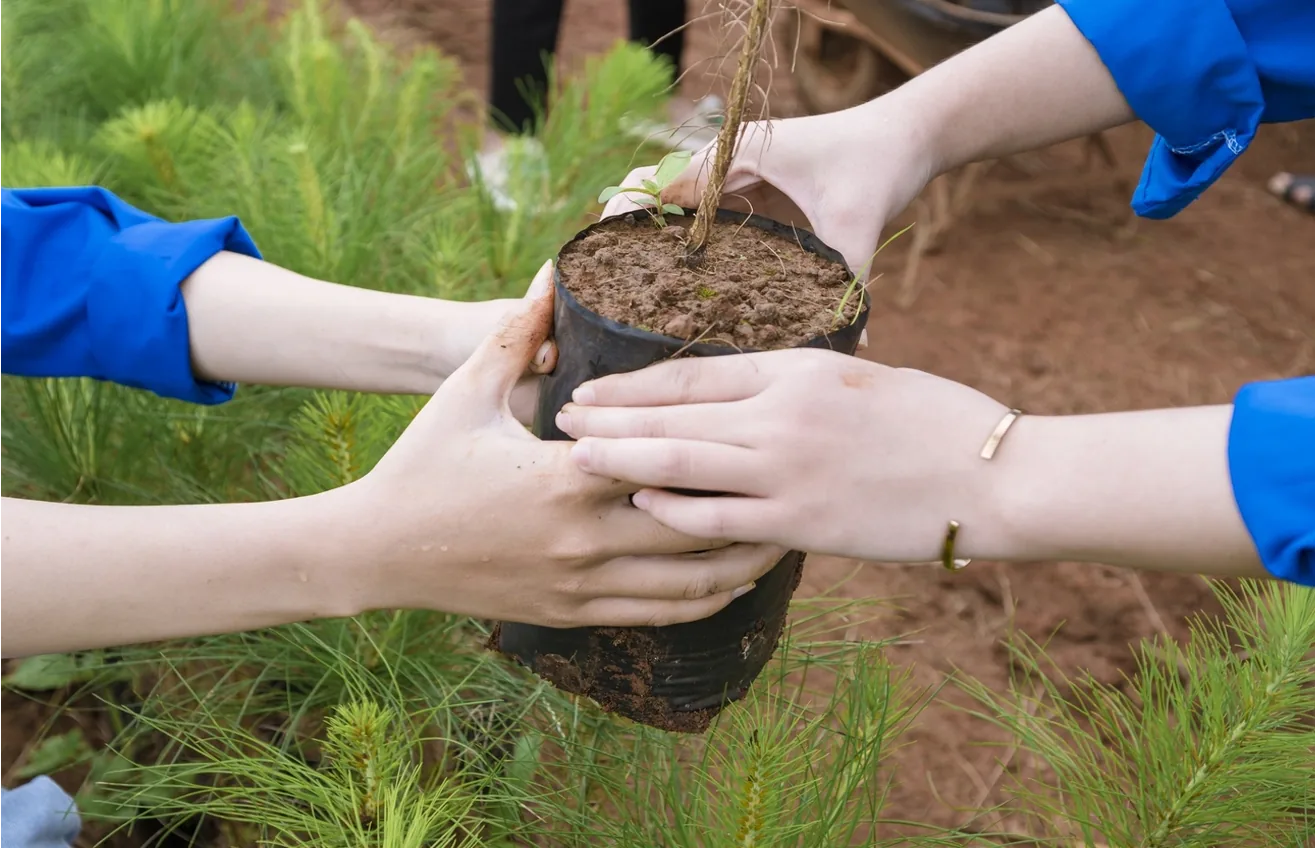
Community programs need an established partner and a clear story. In Thailand, a CSR program for Streamlinevents with 130 participants centred on food for the homeless and on community leader Kru Chow, whose story was shared with the group through a video with English subtitles produced by the Thai authorities, and participants could see the direct impact of what they had done. In Bali, groups can plant coral on reef structures in Lembongan Bay with Bali Hai Cruises, join river clean-ups with Sungai Watch or visit the R.O.L.E. Foundation’s Zero Waste Centre. Capacity on boats and sites is limited, so run larger groups as parallel tracks and start early to avoid the heat.
When the group is large, choose a format built for volume rather than stretching a small one. For NAPA in Bali we created a private night market for 900 incentive guests, with pop-up stalls set up with local artists, vouchers to exchange for woodcarvings, paintings and sarongs, branded sustainable shopping bags, live entertainment and a woodcarving demonstration.
Water gives teams something they cannot do at home, but boats and rafts carry few people at a time, so larger groups need parallel tracks or rotation. Whatever the format, safety briefings, a swim-ability check and medical cover are part of the design, and the weather cancellation policy is agreed before anyone gets wet.
Making any idea work in Asia
A few checks separate a good idea from a deliverable one. Food and beverage has to work for a multicultural room, with halal provision, designed vegetarian dishes, no-beef and no-pork alternatives, allergen labelling and a real alcohol-free offer. The local calendar can close a destination outright: in 2026, Bali’s airport suspended regular commercial flights from 6am on 19 March to 6am on 20 March for Nyepi, the Balinese day of silence, and the date moves every year.
Heat and rain push outdoor elements into the evening and under cover. Temple dress, ceremonies and photography need clear guidance for guests in Bali, Thailand and Vietnam, and a local host makes that guidance feel like hospitality rather than rules. Singapore has its own requirements for entertainment licences, public holidays and Grand Prix road closures, which our planner’s guide to corporate events in Singapore covers in full.
Have an idea that needs testing?
Richard Sumich, Head of Communications & Public Affairs, Asia Pacific at Johnson & Johnson Medical Asia Pacific, set the bar on our testimonials page: “My expectations are very high and I demand that we stretch and deliver new experiences every time.” Agencies bring us their concepts and corporate teams bring us their objectives, and in both cases the useful first step is the same. Send us your brief with the objective, group size, preferred destination and dates, and we will tell you which ideas survive contact with the destination and how we would deliver them alongside you. You can see more of our work in the event portfolio.