










 Sep 2026
 8 min read

A gala dinner is the most visible evening in most corporate programs, and the one most often planned as though it were a large restaurant booking. In Singapore that approach shows quickly. The guests are multicultural, entertainment is licensed and any outdoor site needs a structure, so what separates a dinner from a gala here is production discipline.
We see this from the production side. One of our published Singapore projects was an indoor gala under the stars for a global consulting firm on the Meadow Lawn at Gardens by the Bay, with Marina Bay Sands behind it. The idea was an open-air celebration brought indoors: our case study records about 2,500 guests in a 5,700 sqm air-conditioned tent, dinner ran as a series of gastronomy experiences planned with a sustainability mindset, and as the sun went down the space became an after-party dance floor. Most of the advice below comes back to decisions like the ones that evening needed: where to hold it, how to build it, how to feed a mixed room and how to keep the energy up after dessert.
What makes a Singapore gala different
The experience design is multicultural by default. Dietary protocol is a design input from the first menu conversation, not something the caterer sorts out later.
Outdoor means covered. The Meteorological Service Singapore records that “it rains an average of 171 days of the year”, with the heaviest rainfall from November to January. A gala on a lawn is a tented, air-conditioned build, and that is exactly where Singapore’s production capability shows.
Choosing the venue
For most awards nights and gala dinners of a few hundred to a couple of thousand guests, a hotel or integrated-resort ballroom is the lowest-risk choice. Rooms, food and beverage, basic AV and usually the entertainment licence sit with the venue. The risk is sameness. Put budget into production design, meaning lighting states, set and table styling, so the room feels like your event, and check rigging points, ceiling height and load-in access against the staging plan before you contract.
Purpose-built MICE venues make sense when the gala is very large or attached to a conference or exhibition in the same building. They bring fixed contractors for some services and longer set-up windows, which is fine at scale and hard to justify for 300 guests.
Iconic and attraction venues are where a gala gets its Singapore identity. They are normally hired as a space rather than a package, so structure, power, kitchens, toilets, climate control and security all come in from outside. That means longer lead times, a producer who has built on the site before and a liaison who knows the attraction’s own operating rules.
Lawns, promenades and rooftops look wonderful in renders. On a lawn, plan a tent or a firm wet-weather fallback, never neither. Rooftops are usually modest in capacity and exposed to wind, so they tend to suit a reception before dinner rather than the dinner itself. For galas under about 200, restored heritage buildings, galleries, private clubs and restaurant buyouts can be memorable, as long as load-in routes, noise conditions and the entertainment licence have been checked first.
Production: staging, AV and the run-of-show
Production is what turns a venue into a gala, and it starts with where the stage goes. The stage position sets the table plan, not the other way round. For awards, every table needs a clear line to the stage or a screen; for a dinner-dance, the stage and dance floor should sit so that tables empty naturally after the last course.
Ballrooms have rated rigging points, while an attraction venue may have none, so trussing is ground-supported and heavier. Script lighting states to the run-of-show (arrival, dinner, awards, entertainment, after-party) instead of setting them once. Screen content, from walk-up graphics to citations and sponsor loops, is a deliverable with its own deadline and its own rehearsal.
For a tented gala, cooling load, generator capacity, fuel and noise placement are engineering decisions, and this line can approach or exceed the venue hire, so ask for it itemised. Off-site venues also need temporary kitchens, hot-holding and a service route that can get plated courses to hundreds of guests in a short window. Walk that route with the caterer, the producer and the venue together.
Then rehearse. A gala run-of-show is timed to the minute: MC handovers, walk-up routes, screen cues, lighting changes, band changeovers and speeches. A technical rehearsal on the afternoon of the event, with the MC and at least one award presenter, does more to protect the evening than anything else on the list. Give one technical lead authority over every supplier on the night.
Food and beverage in a multicultural room
Dietary protocol is the part of a Singapore gala that most often goes wrong for teams planning from abroad, and it is easy to get right with a clear brief.
- Halal provision is a standard requirement for Muslim guests. Arrange it through a certified kitchen or a certified halal caterer, not as a “no pork” version of the main menu.
- Vegetarian and vegan dishes should be designed as dishes, not served as the main course minus the protein. Some Hindu and Buddhist guests avoid beef, and some avoid all meat on particular days.
- No-beef and no-pork alternatives should be available and labelled; menu cards that name ingredients prevent negotiations at the table.
- Allergens need a capture question at registration and a kitchen protocol on the night.
- Alcohol-free service deserves the same thought as the wine list. A proper non-alcoholic pairing or mocktail program signals respect.
- Around observances such as Ramadan, consider evening timing and the moment Muslim guests break their fast.
Sustainable catering can be written into the RFP. We have profiled Singapore caterer 3 Embers, which works with locally sourced, seasonal ingredients, plant-forward menus, compostable or reusable tableware and recycling and composting after the event. For a large gala, plated service and food stations have different waste profiles and service times, so settle the format before the menu.
Entertainment and the awards flow
Galas lose their audience in two places: a long awards block and a dead spot after dessert.
Break recognition into short segments of a few awards each, placed between courses and entertainment, so nobody sits through a long run of citations. Batch walk-ups by table area to cut movement, pre-record longer citations as screen content and keep live remarks brief. One professional MC should own the run-of-show, the pronunciations and the clock, and know how to recover if an executive speech runs long.
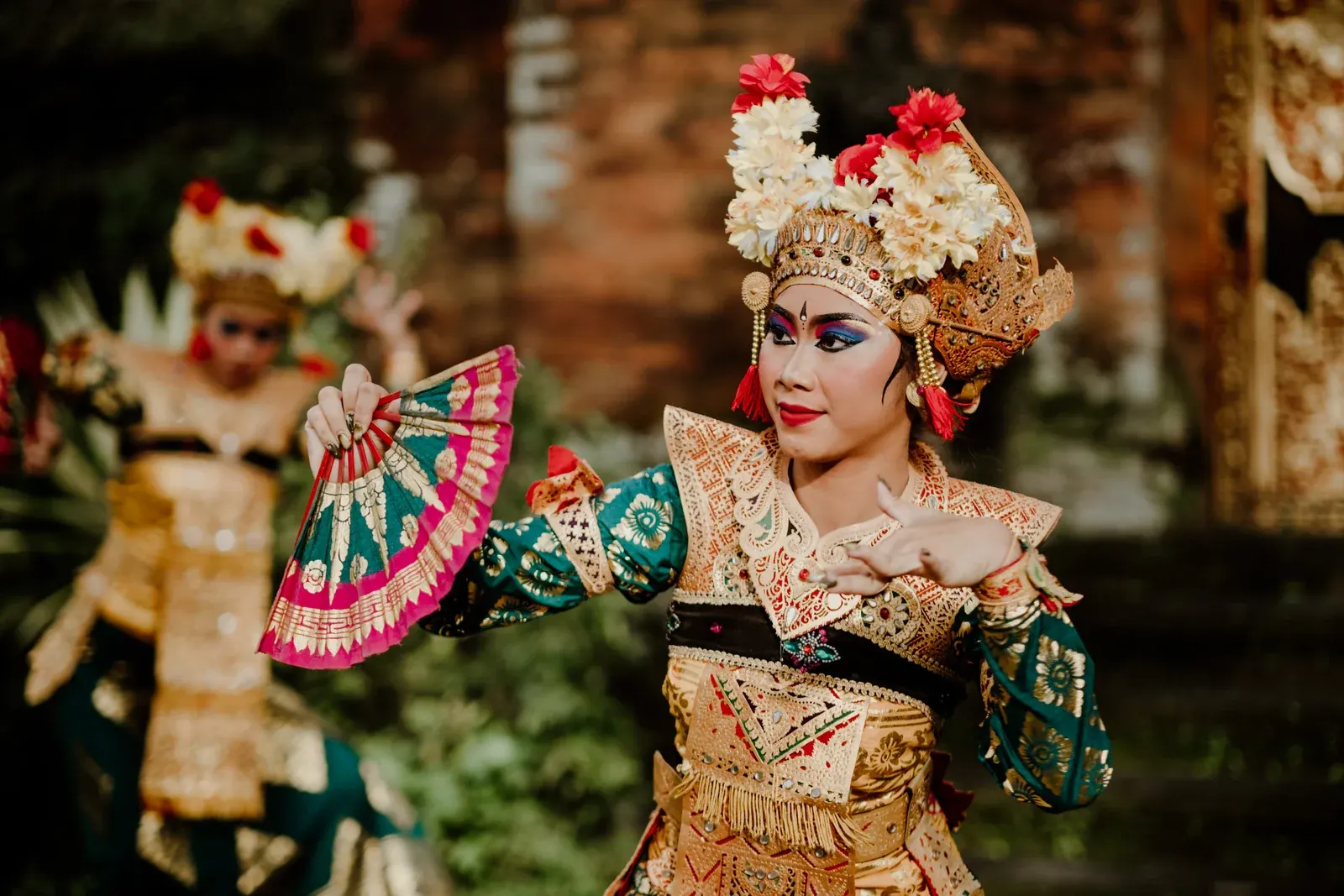
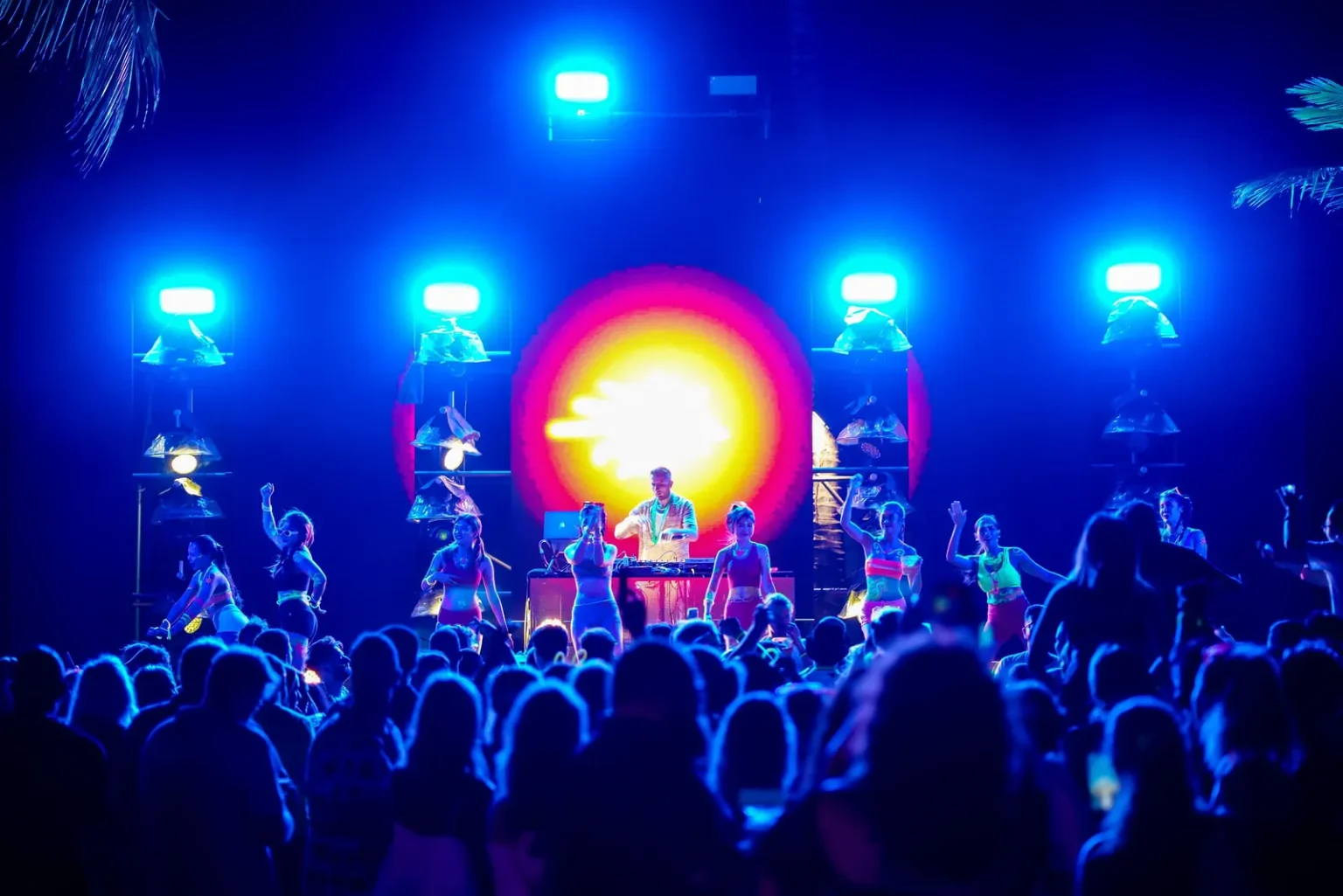
Entertainment works best when it gives the evening shape. A cultural performance as guests arrive, a signature moment that marks the move from dinner to celebration, and a band or DJ for the after-party. Performers arranged with the community whose tradition they carry add meaning; performers booked as décor do not, so ask who they are.
If the evening turns into a dance, the room has to change with it: lighting, sound level, bar position and clearing or resetting centre tables. At Gardens by the Bay the same tent went from gala dinner to after-party without guests moving venue, which only works when that change is designed into the build from the start.
Licences and approvals
Live music, singing or dancing at an event in Singapore generally needs a Public Entertainment Licence from the Singapore Police Force unless the event is exempt, and exempt events must still notify the Police at least seven days beforehand. The premises also have to meet the Public Entertainments Act requirements, and planning approval from URA does not guarantee a licence. Arts entertainment falls under the Infocomm Media Development Authority.
Established hotels usually hold their own licence. Attraction and temporary sites may not, and then the licence attaches to your event. Alcohol service, temporary structures, fire safety, fireworks and drones each carry their own approvals, so treat all of them as lead-time items owned by the producer.
Timeline for a signature gala
Six to nine months out, fix the objective, guest count and format, choose the venue category and hold dates. Check them against the calendar: in 2026 Chinese New Year falls on 17 and 18 February, and the Singapore Grand Prix runs from 9 to 11 October, which affects roads and hotels around Marina Bay.
Between six and four months, contract the venue and caterer, appoint the producer and creative team, lock the structure and power design for any outdoor site, and submit licence applications where the venue does not hold its own. From four months to two, design the run-of-show, commission screen content, contract entertainment and the MC, and open dietary capture at registration. In the final six weeks come the menu tasting and dietary matrix, the table plan and award batching, the transport plan and a site visit with every department head. The final week is technical rehearsal, MC and presenter rehearsal, crew briefing and, outdoors, the wet-weather call.
Compress all of this for a 150-person ballroom dinner. Stretch it for an attraction-venue build.
Planning a gala dinner in Singapore?
Marina Bay Sands’ Ong Wee Min describes our team as “amongst the most qualified meeting professionals in the industry”. If you are an agency producing a gala for a client, we can be your production and destination partner in Singapore; if you are a corporate team, we work with you and alongside your agency if you have one. Send us your brief with the date, guest count, the kind of venue you have in mind and any awards content, and we will come back with venue options and a production approach. For the wider picture, see our Singapore DMC and event management page and the planner’s guide to corporate events in Singapore.