














 Sep 2026
 7 min read

Almost every RFP now has a sustainability section, and many of the answers promise more than anyone can check. For a planner sourcing a program in Singapore, Bali, Thailand or Vietnam from another continent, the useful questions are narrower. Which standards are worth citing? Which sourcing decisions actually change the footprint? And what evidence can a venue, caterer or destination partner hand over when the event is finished? This guide takes those questions in the order they come up while a program is being put together.
Standards worth citing in an RFP
ISO 20121 is the international standard for event sustainability management systems, and its current edition was published in 2024. It covers events of every type and size. Because it describes a management system rather than a scorecard, a supplier’s certification tells you a process exists, not what that process will achieve for your event, so ask what its objectives are for your program.
The Global Sustainable Tourism Council published its GSTC MICE Criteria on 19 March 2024, covering venues, event organisers, and events and exhibitions. As the Singapore Tourism Board’s announcement sets out, the criteria are “arranged in four pillars: (A) Sustainable management; (B) Socioeconomic impacts; (C) Cultural impacts; (D) Environmental impacts.” Those pillars make a sensible structure for the sustainability section of an RFP. A partner that can answer under each heading, with evidence, is working to the criteria whether or not it holds a certificate, and a partner that answers with adjectives is not.
What Singapore has put in place
Singapore has set public sustainability targets for its MICE industry, which makes its venues easier to report on from abroad. The Singapore Tourism Board and SACEOS launched the MICE Sustainability Roadmap on 1 December 2022. Its targets included certification for all six purpose-built MICE venues and 80% of SACEOS members by 2025, and industry tracking of waste and carbon emissions from 2023, with net zero emissions by 2050.
By the Singapore MICE Forum on 30 July 2026, the Ministry of Trade and Industry reported that “All six purpose built MICE venues and more than 80% of SACEOS members have attained recognised sustainability certifications.” The next phase, which Visit Singapore calls Roadmap 2.0, widens the focus to social and economic sustainability, with targets to “develop a partnership framework for partners and suppliers to work with MICE event organisers by 2027”, “develop a MICE Decarbonisation Framework by 2028” and “develop a MICE Industry Social Impact Playbook by 2028.”
At destination level, Singapore gained certification against the GSTC Destination Criteria in 2023, and Visit Singapore reports that the city “ranked #7 globally and #1 in Asia-Pacific in the 2024 Global Destination Sustainability Index”. Nationally, the Singapore Green Plan 2030 aims to “reduce the waste sent to landfill by 30% by 2030”.
For a planner in Chicago or Sydney, all of this shifts the burden of proof. You cannot audit a Singapore venue from your desk, but you can ask for its certification and put it in your report. In other Asian destinations, check what the national convention bureau publishes, and expect more of the evidence to come from individual venues, suppliers and partners.
The decisions that change the footprint
Sustainability on a program is less a policy than a series of sourcing decisions, and some of them matter far more than others.
Destination, venue and travel
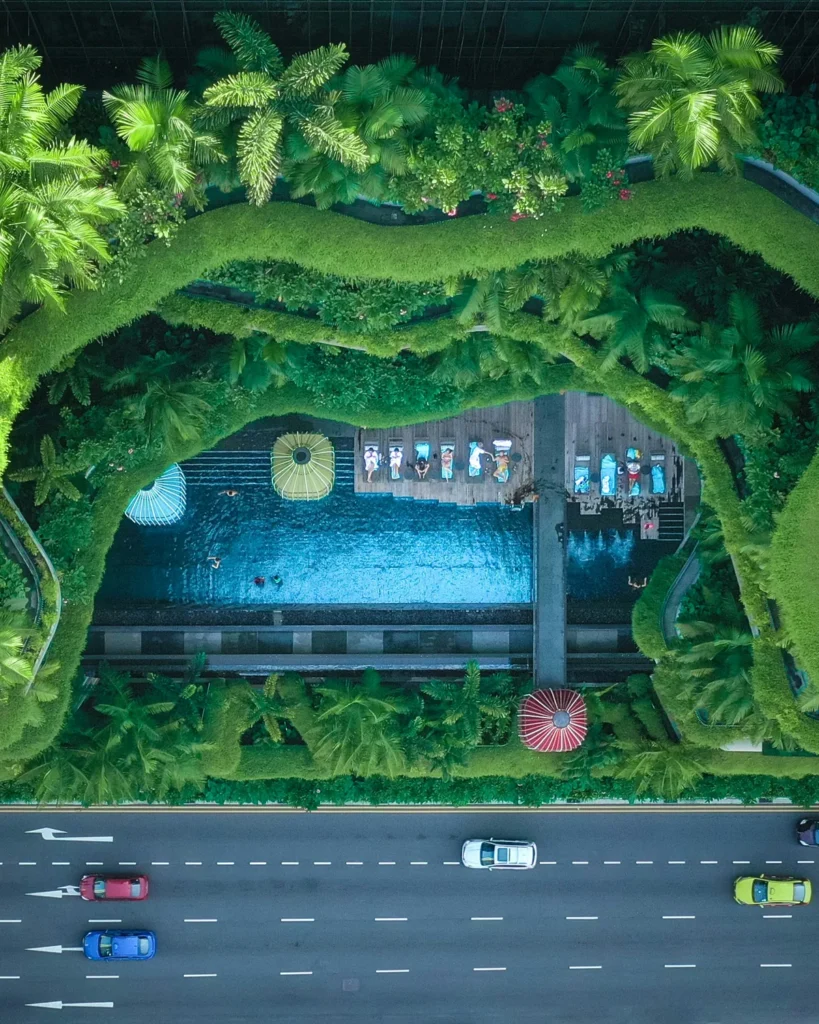
The largest decisions are made before anything else is booked. Once an international program’s destination is fixed, long-haul flights are the part of the footprint a planner can do least about, so the choices that help come early: fewer, longer programs rather than several short ones, direct routings where they exist, and a design where the group flies in once and then moves by coach rather than by fleets of cars or extra short flights. Walkable clusters help too. Singapore’s compact venue districts and the Nusa Dua resort area in Bali both allow a group to reach meeting rooms, hotels and dinners without long transfers.
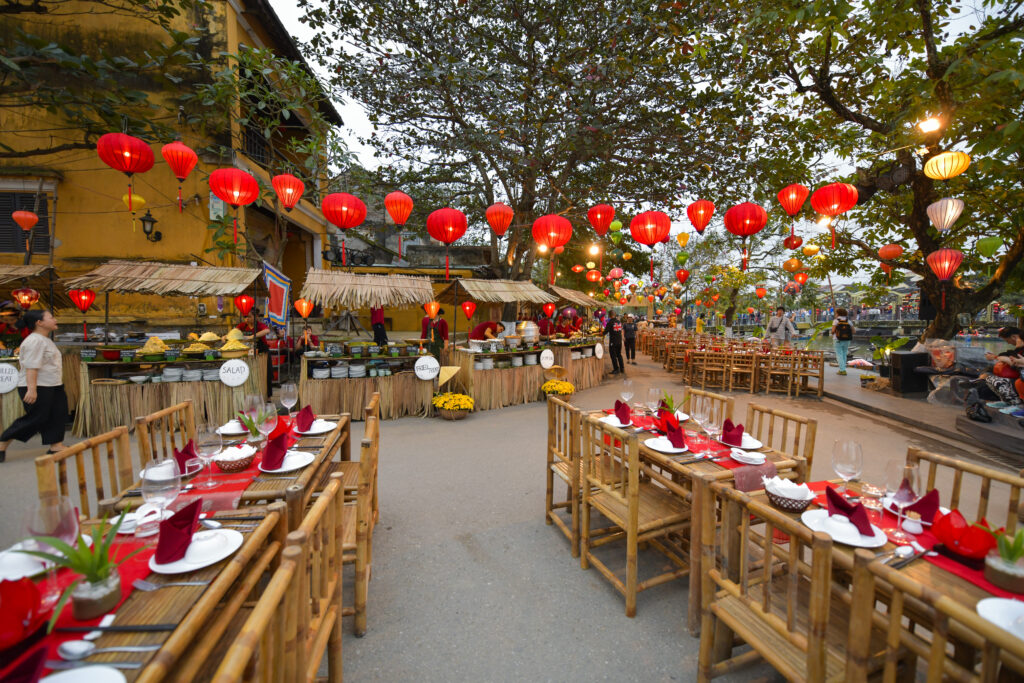
A certified venue brings its own energy, waste and water systems into your reporting. An outdoor or heritage venue, where power, kitchens and structures are all brought in, needs harder questions: what runs on generators, what is hired rather than built, and what happens to the temporary build afterwards.
Food and beverage
Food is where sustainability is most visible to participants and easiest to get wrong. Our profile of Singapore caterer 3 Embers is a useful checklist of what to ask for: “locally sourced and seasonal ingredients”, plant-based options that cut food waste, trimmings and surplus turned “into new, gourmet creations”, “compostable or reusable tableware and energy-efficient equipment”, and “recycling and composting programmes” after the event.
Put these into the RFP rather than raising them at the menu tasting. Portion planning against confirmed numbers, a plan for surplus food and the removal of single-use items are what most post-event reports will ask about.
Waste and materials
Printed collateral, stage sets, signage and sponsor giveaways produce most of an event’s visible waste. Choose digital where it genuinely works, design sets and signage to be hired or reused, keep an inventory of what was hired and what was built, and agree the disposal plan with the venue before load-in. Sponsor and exhibitor materials are where plans usually leak, so write the rules into the exhibitor manual. Small choices still register with guests: at a Balinese night market we built for 900 incentive guests, every shopper was given a sustainable bag.
Community and legacy
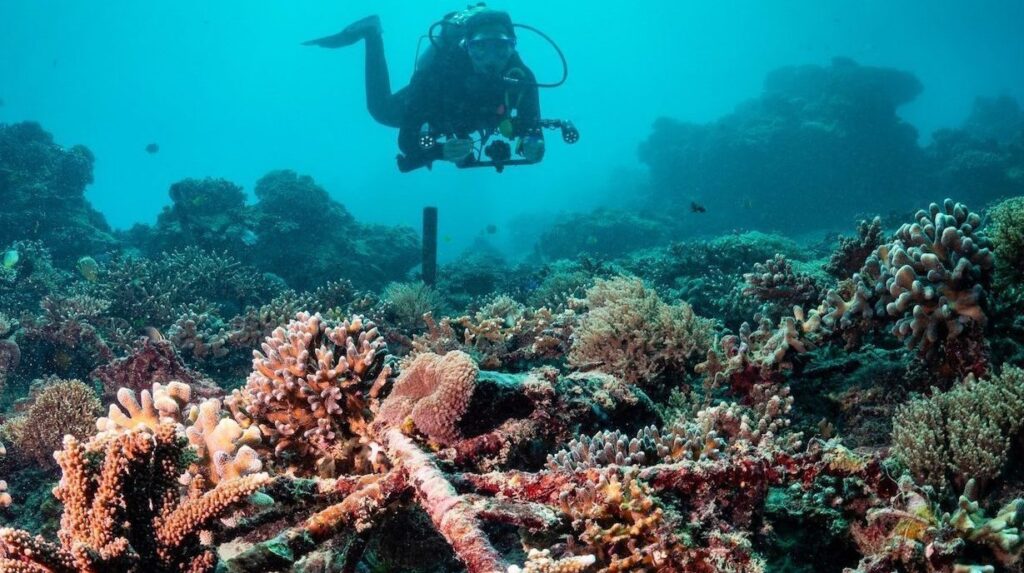
This is where a program in Asia can do something a hotel ballroom anywhere else cannot. In Bali, our published partners include Bali Hai Cruises, whose coral restoration workshop in Lembongan Bay has participants planting coral on reef structures; Sungai Watch, which removes plastic from rivers before it reaches the ocean and runs clean-ups groups can join; and the R.O.L.E. Foundation’s Zero Waste Centre, which groups can visit to learn waste practices. In Thailand, a Food for the Homeless activity for 130 participants on a Streamlinevents program brought in community leader Kru Chow to share his story, so participants could see the activity directly helping the local community.
A community activity earns its place when the partner organisation is the host, running its own program for its own reasons, and when the group is sized to what that partner can genuinely absorb. Report the outcome plainly and in the partner’s terms. A river clean-up described as exactly what it collected is worth more in a sustainability report than a vague claim of impact.
Offsets and claims
Offsets belong at the end of the process. Reduce and measure first, then offset what remains, and describe the offset for what it is: a named program and a stated quantity. Labels such as “carbon neutral” or “zero waste” invite scrutiny most events cannot survive, and planners are better served by describing what was measured and what was done.
Measuring and reporting
A sustainable event is one whose claims can be checked afterwards. Singapore’s roadmap made waste and carbon tracking an industry target, and the GSTC MICE Criteria give sustainable management a pillar of its own. For a corporate planner, the minimum is a short post-event report covering what was committed, what was delivered, the quantities the venue and caterer could measure, and what was not achieved. Ask suppliers at contract stage what they can actually measure. A venue that cannot report its waste by stream cannot support your report, however green its marketing.
Questions to put to your DMC
Sustainability works best in an RFP as requirements rather than a values statement. If you are new to working with a DMC, our guide to what a DMC is covers the basics. These questions tend to separate partners doing the work from partners describing it:
- Which community or environmental partners do you work with here, what is the arrangement, and how large a group can each host?
- How will temporary structures, signage and sets be sourced, reused and disposed of?
- What happens to surplus food?
- What suppliers can you engage for our program that align with our companies specific sustainability goals?
How we approach sustainable events
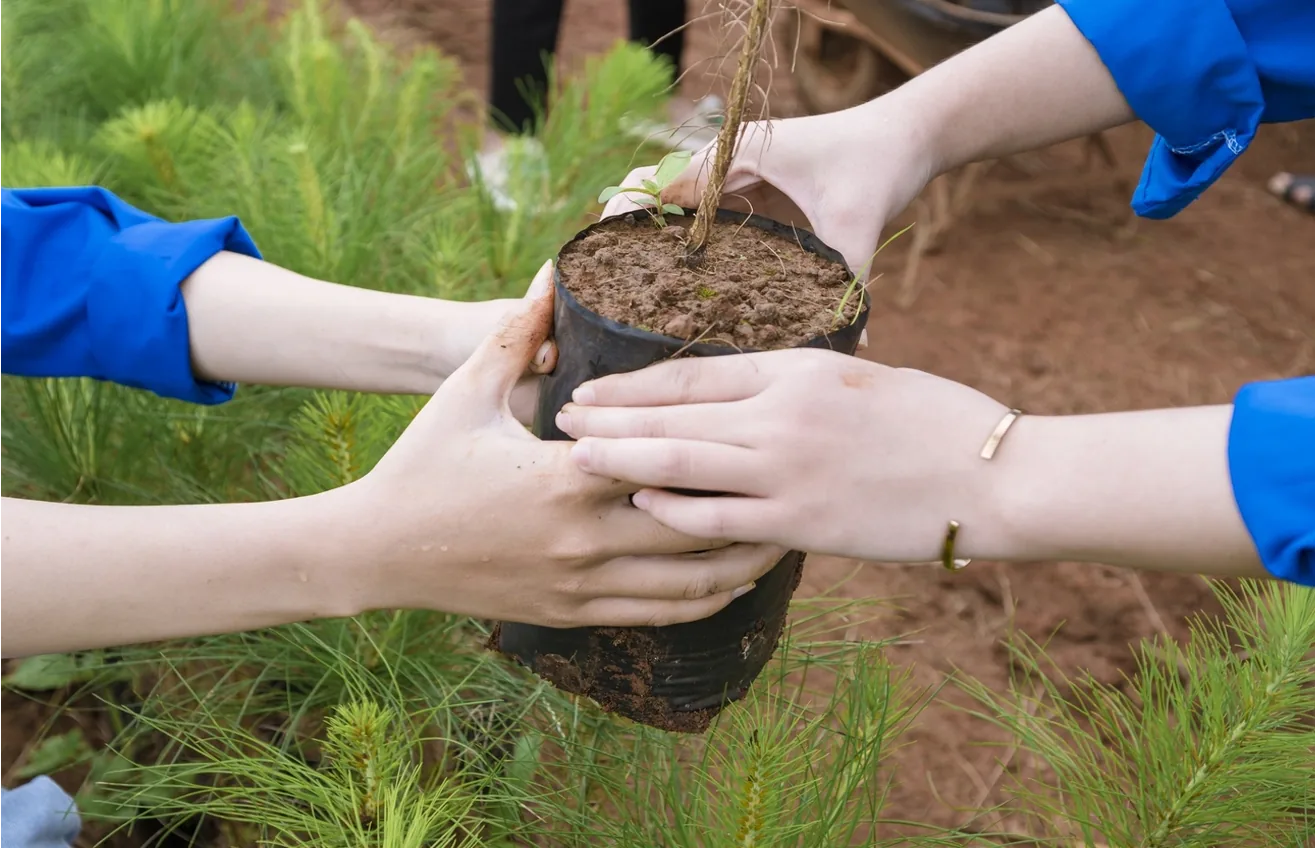
We describe our work in this area as The REALM Impact: “We design CSR and sustainable events in Asia for corporations who want to make a positive impact.” That page covers sustainable food solutions in Singapore, a tree-planting initiative we describe as a carbon offset program, tree-to-bar chocolate from Vietnam as a delegate gift, and the Bali partnerships above. We do not publish quantified impact figures or a company-level sustainability certification on our site, and this guide does not claim any.
At REALM, we are a team with more than three decades of experience delivering events across Asia, and we work with agencies briefing for their clients as well as corporate teams planning directly. If you are building sustainability requirements into a program in Asia Pacific, send us the brief and the reporting you need, and we will tell you plainly what can be delivered and measured.