







 Sep 2026
 8 min read

Singapore is often the easiest city in Asia in which to run a corporate event, and one of the easiest in which to overspend on the wrong week. The infrastructure is dense, suppliers are experienced and standards are high, so the mistakes planners make here are rarely about quality. They are about timing and fit: a ballroom booked when the format wanted an attraction venue, or the right venue booked in a week when the Grand Prix has closed the roads around it.
This guide is written for corporate event planners and the agencies that support them. It covers what shapes an event in Singapore, how to choose a venue type, which weeks to watch, the licences that catch people out, moving a group around the city, and a timeline that holds up. It reflects how the REALM team at our Singapore headquarters approaches these programs, and where a point needs a source, we link to it.
What shapes an event in Singapore
Getting here is simple. Changi Airport handled record traffic of close to 70 million passengers in 2025, delegates from Europe, the US, Australia and the rest of Asia can usually arrive on direct or one-stop services, and the transfer into the city is short.
The market behind the venues is large and used to international clients. Speaking at the Singapore MICE Forum on 30 July 2026, Minister of State Gan Siow Huang said MICE receipts had grown 35% year on year to S$2.3 billion in 2025, and that Singapore had kept its position as ICCA’s top meeting city in Asia Pacific for the 23rd consecutive year. For a planner the practical point is that AV houses, caterers and crews here work to international corporate standards as a matter of routine.
Sustainability reporting is also easier than in most destinations. In December 2022 the Singapore Tourism Board and SACEOS set a target for all six purpose-built MICE venues and 80% of SACEOS members to gain recognised sustainability certification by 2025, and the 2026 forum speech confirmed both had been reached. If your organisation reports on event sustainability, the venue side of that report is largely done for you.
Choosing the venue type before the venue
Each type of venue carries its own cost structure, lead time and production load, so it pays to decide the category first and shortlist inside it.
Hotel and integrated-resort ballrooms are the sensible default for conferences, town halls and awards nights above a few hundred guests. Rooms, function space, catering and basic AV sit under one contract, which keeps the budget and the risk simple. What you give up is character. A ballroom needs production design to feel like your event rather than last week’s, and rigging points, ceiling heights and load-in access vary more than the floor plans suggest, so check them against the staging plan before you sign.
The six purpose-built MICE venues are built for exhibitions, large congresses and anything that needs exhibition-grade floors, high ceilings or several halls at once. They are the right answer at scale and the wrong one for a 150-person leadership dinner, and they come with fixed contractors for some services and longer set-up windows.
Attraction and iconic venues give an event a Singapore identity that a ballroom cannot. They usually come as a space rather than a package, so tenting, power, climate control, kitchens, toilets and security are all brought in. Our own indoor gala under the stars on the Meadow Lawn at Gardens by the Bay, for a global consulting firm, hosted about 2,500 guests in a 5,700 sqm air-conditioned tent built for the night, according to our case study. That kind of build needs long lead times and a production team that has worked on the site before.
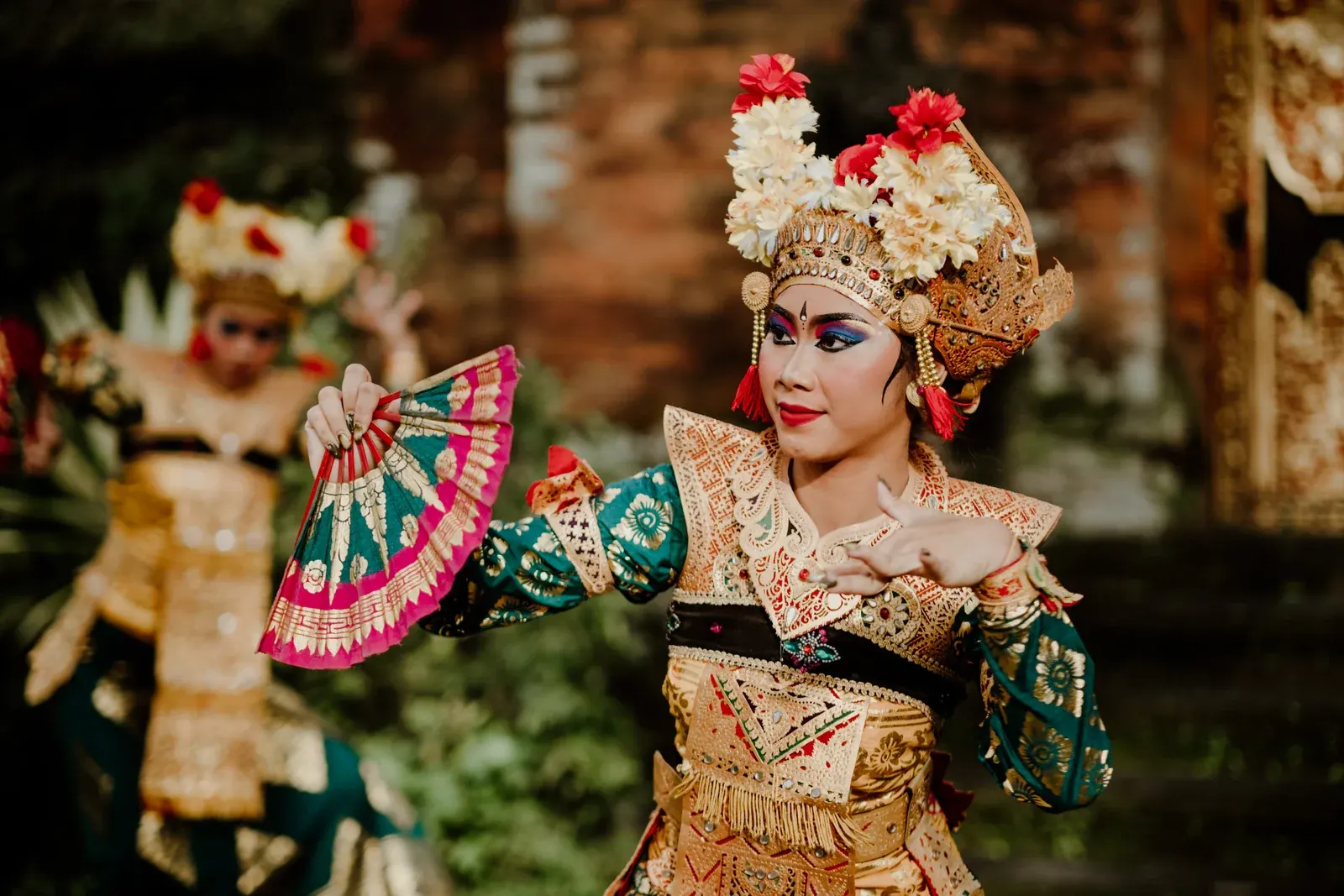
Heritage and cultural spaces, from restored civic buildings to shophouse districts, suit dinners, launches and smaller conferences where the setting carries the message. Capacities are modest, load-in often happens through public streets and noise conditions can apply, so they tend to work best as an evening or breakout venue inside a larger program. Restaurants, galleries and private clubs fill the same role for launches and hospitality under about 200 guests.
Outdoor sites need one rule. The Meteorological Service Singapore notes that “it rains an average of 171 days of the year”, so outdoor means under cover or with a firm wet-weather call. Budget for the structure or for the fallback ballroom, never for neither.
Weeks to watch
Singapore is warm all year, with daytime maximums of about 31 to 33°C, so temperature is rarely the reason to move a date. Rain is more relevant. The Northeast Monsoon runs from December to early March and the Southwest Monsoon from June to September, higher rainfall comes from November to January, and February is the driest month, according to the Meteorological Service Singapore. For outdoor components that argues for evening timing and cover rather than avoiding a season.
Public holidays matter more for availability and price. The Ministry of Manpower’s 2026 list includes Chinese New Year on 17 and 18 February, Hari Raya Puasa on 21 March, Good Friday on 3 April, Hari Raya Haji on 27 May, Vesak Day on 31 May, National Day on 9 August, Deepavali on 8 November and Christmas Day. Chinese New Year is the one that genuinely slows the city, and the days around it are a poor choice for a supplier-heavy build.
The Singapore Grand Prix is the biggest clash for central venues. The 2026 race weekend runs from 9 to 11 October, and road closures around Marina Bay start before race weekend while hotel rates in the district stay high around it. Unless the race is part of your program, keep central venues out of that fortnight. Large trade shows and government events fill hotels for a week at a time as well, so ask your DMC for the current clash list before you put dates to your client.
Licences and approvals
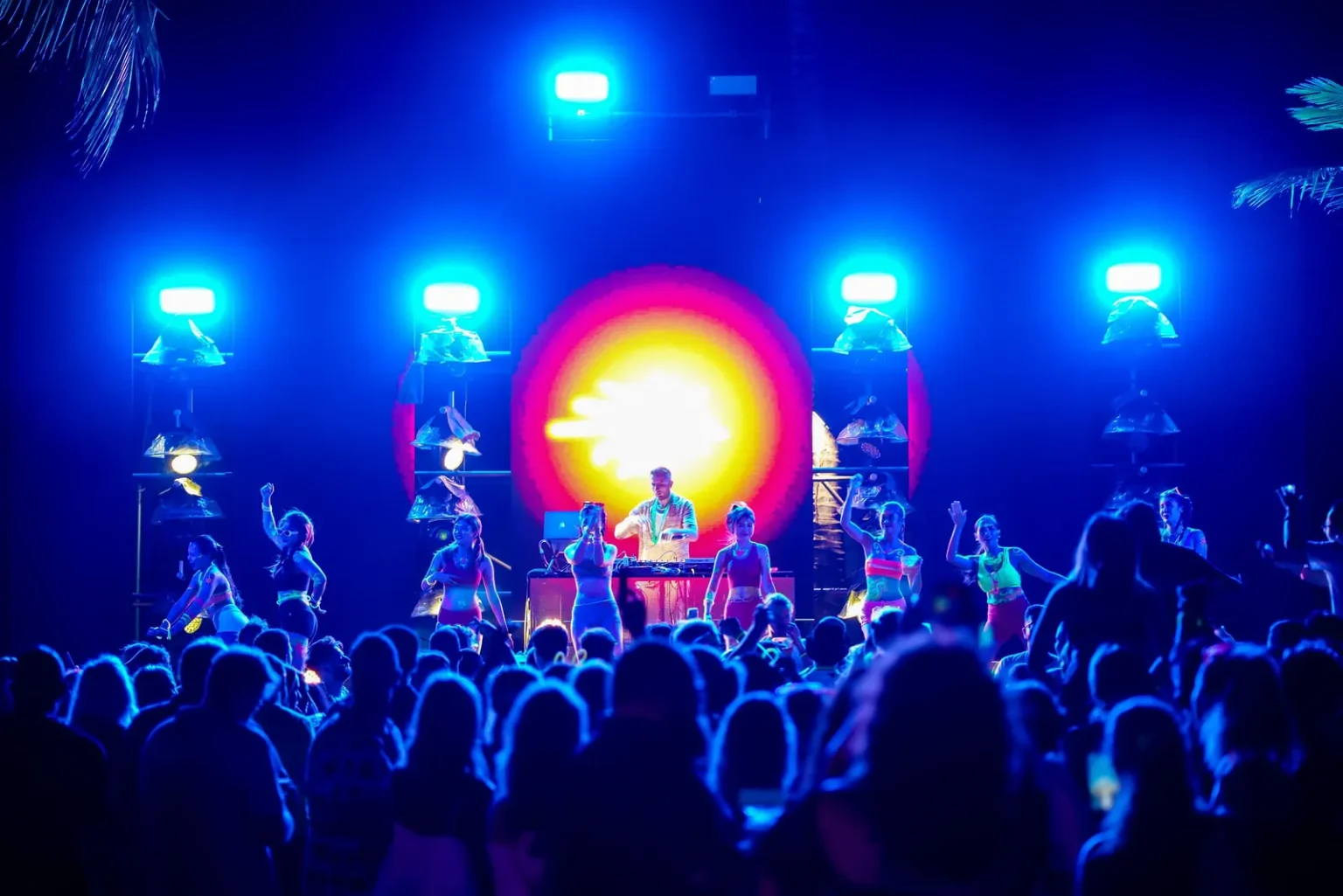
Singapore publishes its rules, and the one corporate planners meet most is the Public Entertainment Licence. Under the Singapore Police Force guidance, live music, singing or dancing generally needs a licence unless the event qualifies for an exemption, and exempted events still have to notify the Police at least seven days in advance. The same page makes clear that the premises must meet the requirements of the Public Entertainments Act, and that planning approval from URA does not guarantee a licence. Arts entertainment is regulated separately by the Infocomm Media Development Authority.
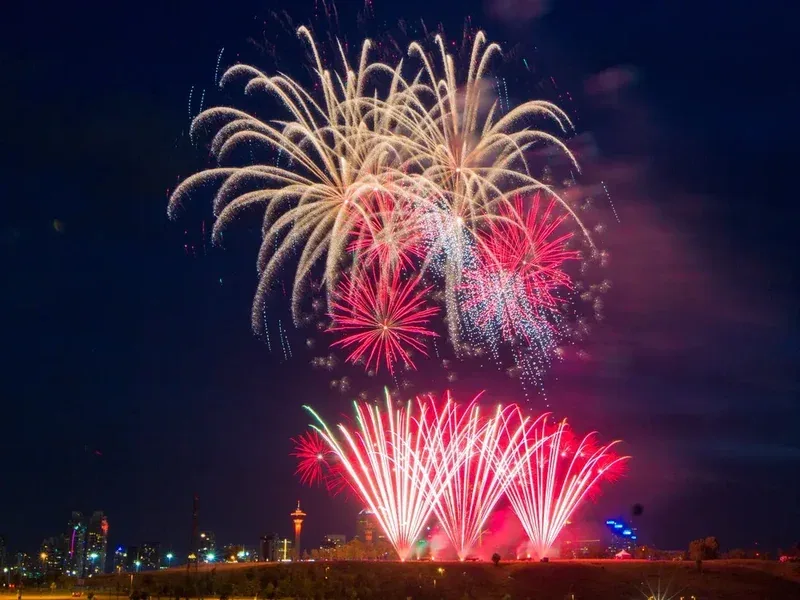
Established hotels and venues often hold their own licences; private-hire and attraction venues may not, in which case the licence attaches to your event. Confirm in writing whose licence covers your entertainment. Temporary structures, fire safety, alcohol service, road use, drones and fireworks each carry their own approvals too. None of them is difficult for a producer who files them regularly, and all of them are slow if they are left to the final weeks.
Moving the group
Short distances and orderly traffic make Singapore forgiving for small groups and unforgiving for large ones that have not been staged properly. A leadership team of 40 can move in private cars or a single coach, and for smaller informal movements the MRT is a perfectly good option that delegates often prefer in their free time.
Groups above about 100 need meet-and-greet at Changi, coaches matched to flight banks and a manifest that someone owns. At central venues the constraint is kerb space. Waiting is enforced and some attraction venues have coach bays that must be booked, so a dinner for 600 needs arrival bands, marshals and a holding location. Without that plan the first impression of the evening is a queue on the pavement.
A timeline that holds up
For a mid-size corporate event, work backwards from about twelve months. In the first quarter of that year, fix the objective, audience size and format, test dates against the clash calendar and hold two venue options. Between nine and six months out, confirm the venue and hotel block, appoint production and creative, brief any sustainability requirements and open registration.
From six months to three, lock the run-of-show, staging and AV design, submit licence applications where the venue does not hold its own, and contract entertainment and speakers. The last three months are about the detail: food and dietary planning, transport manifests, a site visit with every department head and a rehearsal schedule. The final month belongs to technical rehearsals, the contingency walk-through, crew briefings and the wet-weather protocol. Compress this for a 100-person dinner; stretch it for a multi-day conference with an exhibition.
What a Singapore budget should include
Amounts depend too much on scale, format and season to be useful here, but the categories are consistent. Expect venue hire and venue-mandated services such as security and cleaning; the accommodation block with attrition terms; production, which for an attraction or outdoor site covers staging, AV, lighting, rigging, tenting, cooling and power; food and beverage including dietary variants; ground transport and marshals; entertainment and licences; and DMC or production management fees with a contingency. Production at an attraction or outdoor venue can come close to, or exceed, the venue hire itself, and service charges and taxes sit on top of quoted food and beverage, so ask suppliers for inclusive figures.
Where a DMC fits
A destination management company holds the local relationships, files the approvals, sources suppliers and runs the ground plan, while the agency keeps the client relationship. If you are weighing up a partner in Singapore, our page on working with us as an event management company in Singapore explains how we work with agencies and corporate teams, and What is a DMC? covers the role in general.
Planning a corporate event in Singapore?
If you have dates, a group size and an objective, send us your brief. Whether you are an agency or a corporate team, we will tell you which weeks and venue types fit, what needs a licence, and where the budget pressure is likely to sit.