








 Sep 2026
 9 min read

Most incentive travel ideas fail at the same point: the theme is chosen before anyone has checked whether the destination can deliver it for that many people, in that month, at that standard. Asia Pacific rewards the opposite order. Decide the group structure and the calendar first, then the destination, then the experiences that destination does better than anywhere else.
This guide is for incentive program owners and the agencies that design programs for them. It covers Singapore, Bali, Thailand and Vietnam, the ideas that hold up at scale in each, and the planning calls that decide whether an idea becomes the highlight of the trip or the thing everyone remembers for the wrong reasons.
Start with the group, not the theme
Group size and structure determine almost everything downstream: hotel selection, whether activities rotate or run in parallel, the size of the transport fleet, and how much of the program can be truly exclusive.
Under about 100 participants, a program can be built around buyouts, such as a whole restaurant, a private villa estate or a single vessel, and moved as one unit. Between roughly 100 and 300, most experiences have to run as parallel tracks, and the hotel needs to be chosen for its function space as much as its rooms. Above 300, programs usually run in waves: repeated cohorts moving through the same itinerary on staggered dates, with the same suppliers and the same run of show each time.
Waves are standard practice in Asia Pacific for large qualifier groups; we have run a Bali program in three waves, each of 300 to 359 guests staying six nights. The lesson for planners is that consistency across waves matters more than novelty within one. Wave three should get the same welcome, the same gala and the same service as wave one.
Why Asia Pacific routes so well
Access is the first practical advantage. Singapore’s Changi Airport “handled record traffic of close to 70 million passengers in 2025”, which for a planner means dense long-haul schedules and onward connections to Bali, Bangkok, Phuket, Hanoi and Da Nang. A program can arrive in one hub and fan out, and a rooftop gala, a clifftop dinner above the Indian Ocean and a river evening in Vietnam are all a short flight apart.
The supply side runs to standards, not just to price. Speaking at the Singapore MICE Forum 2026, Minister of State Gan Siow Huang said that “all six purpose built MICE venues and more than 80% of SACEOS members have attained recognised sustainability certifications”.
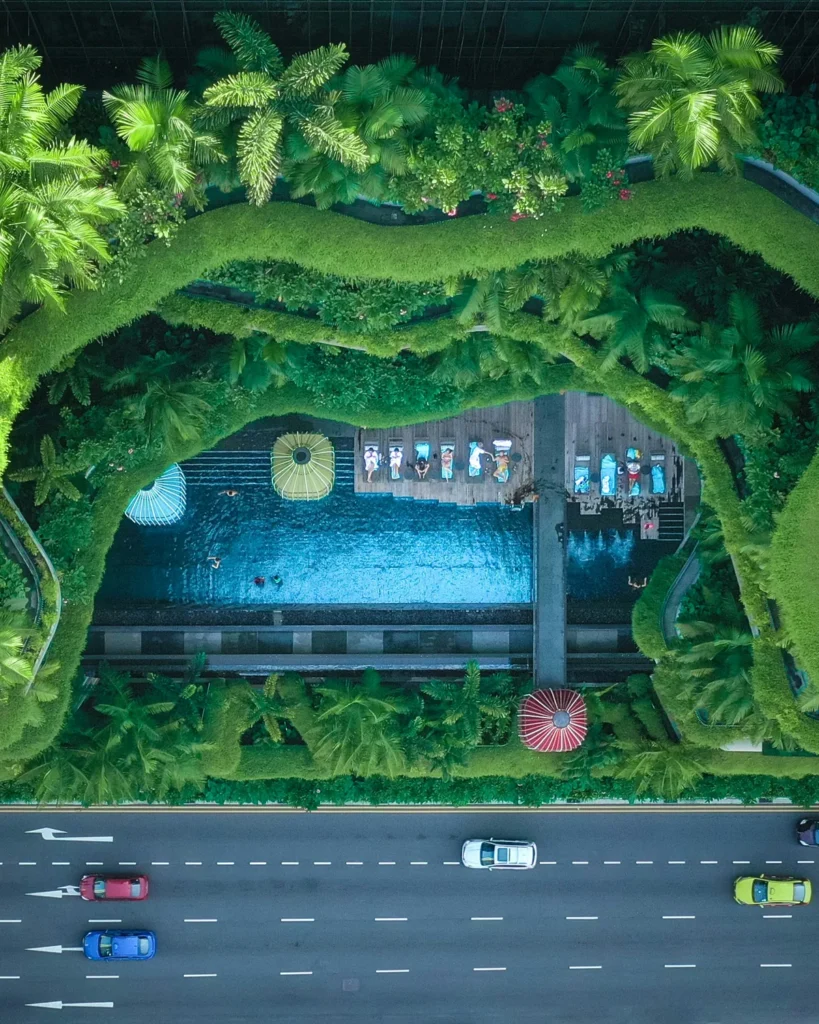
Singapore: the high-production city program
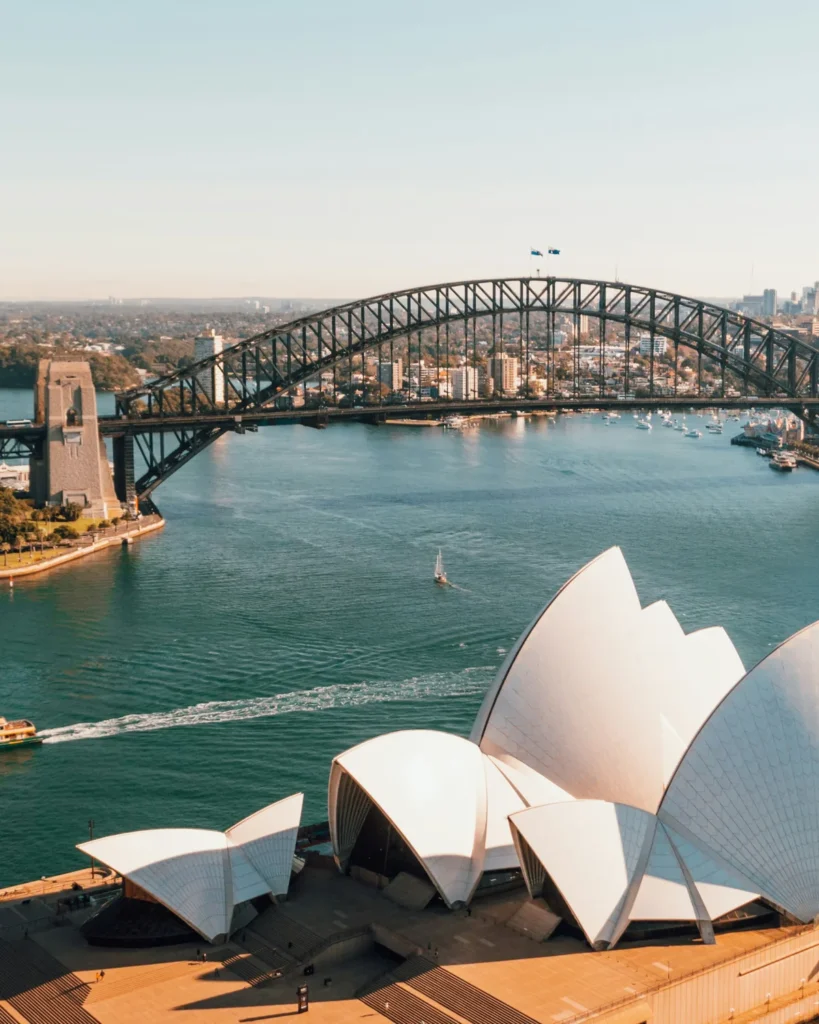
Singapore suits programs of three or four nights built around a flagship evening, premium dining and a compact footprint with little transfer time. It is also the natural hub for a program that continues to Bali or Vietnam.
The signature gala is where Singapore shines, and where the weather has to be designed out. For a global consulting firm, we produced an indoor gala for approximately 2,500 guests at Gardens by the Bay, under a 5,700 sqm air-conditioned tent with Marina Bay Sands in the background, as our case study sets out. A structure like that is what makes an outdoor icon workable at scale, and it is also the main cost driver and the item that needs the longest lead time.
For groups under about 150 that can move as one, a dining progression works well: a heritage district, then a modern dining room, then a rooftop, all in one evening. Above that size, run parallel routes that meet at a shared final stop, and book coach staging early because kerb space in the central districts is limited. Rooftops themselves tend to have modest capacities and are exposed to wind, so they are often best kept as a reward tier for top qualifiers.
Food can also carry the program’s sustainability story. 3 Embers, a Singapore caterer we have profiled, works with locally sourced, seasonal ingredients, compostable or reusable tableware, and recycling and composting after the event. Brief that at RFP stage, because it shapes the menu, not just the closing slide.
2026 calendar note: the Singapore Grand Prix runs from 9 to 11 October. It is a sprint weekend, with sprint qualifying on Friday and a sprint race on Saturday, so disruption around Marina Bay runs all three days, and roads and hotels nearby are affected for longer than the race weekend itself. Avoid arrival and gala dates around it unless the race is the program.
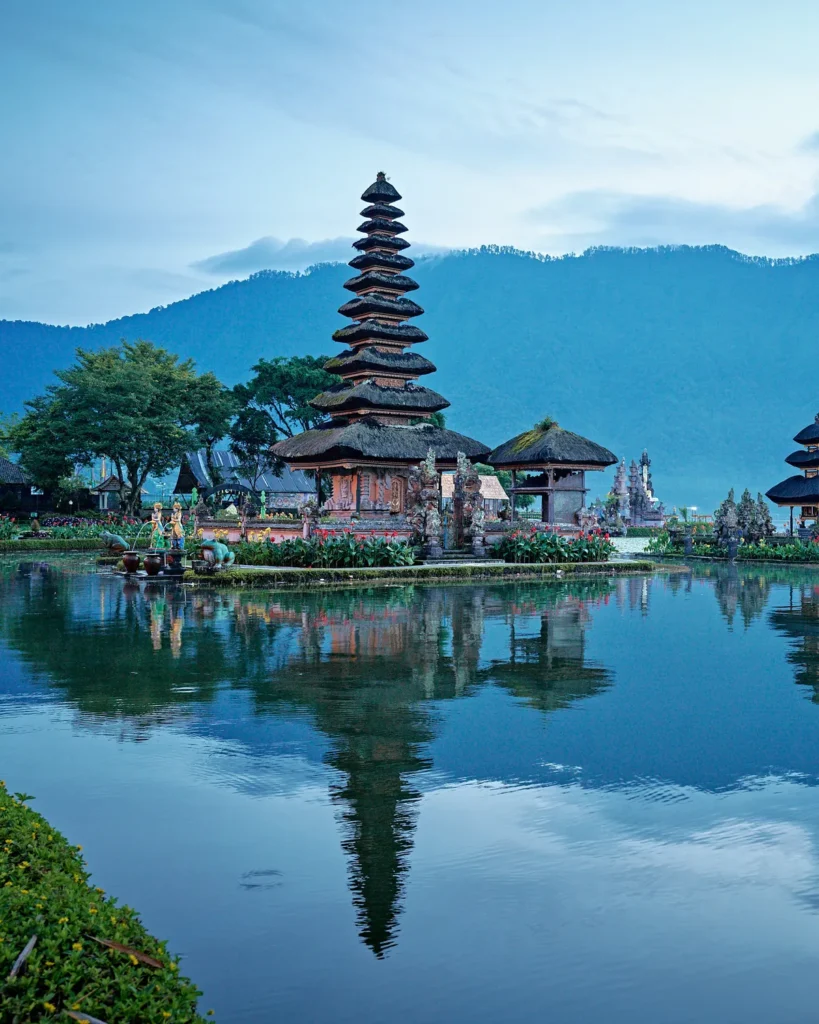
Bali: the large-number resort program
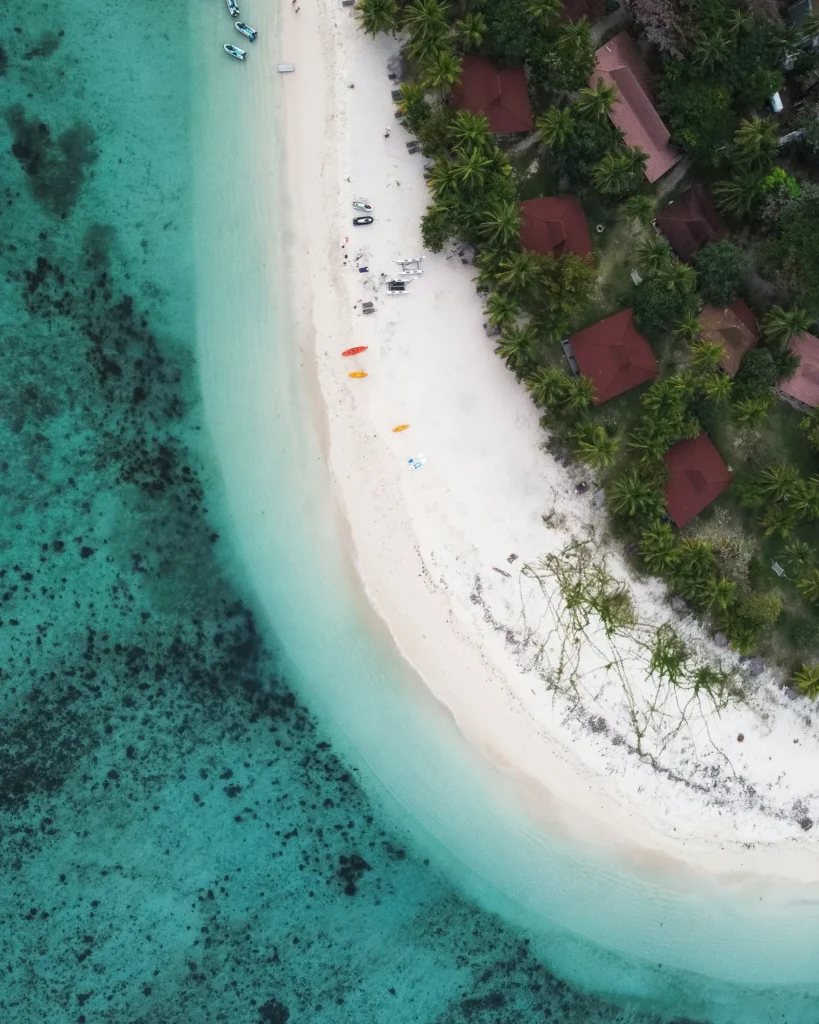
Bali absorbs a large incentive group without it feeling like a convention, and the reason is structural. The Nusa Dua enclave was planned as an integrated resort. Its developer ITDC notes that the vicinity has “more than 4000 available rooms of international 4 and 5-stars chain hotels”, and that the Bali Nusa Dua Convention Centre “offers 44 multi-functional and flexible rooms with total capacity up to 12,000 seats”.
The Jimbaran Convention Centre opened in 2022 with a capacity of up to 2000 guests offering a brand new impressive ballroom and 19 breakout rooms.
Also set up for large groups, the Bali Beach Convention Centre with a capacity of up to 1980 seats is located in Sanur with nearly 2000 rooms available of international 4 and 5-star chain hotels.
Large groups in Bali are usually either split into concurrent activities or brought together for one experience built to their size. For NAPA, we set up a private Balinese night market for 900 incentive guests, who used vouchers to exchange for woodcarvings, paintings, sarongs, flowers and other souvenirs at pop-up stalls, with live entertainment, a woodcarving demonstration and sustainable shopping bags for everyone. When a group splits instead, the constraint is coaches and road time rather than venues. Ubud rafting and Nusa Dua sit on opposite sides of the island’s traffic, so the rotation design decides how the day feels.
Clifftop sunset dinners around Uluwatu and Jimbaran give a dramatic ocean setting within reach of the Nusa Dua hotels. Terrace size sets the capacity, and open-air sites need both a wet-weather plan and a power plan, so for bigger groups these usually become a split-night or top-tier experience.
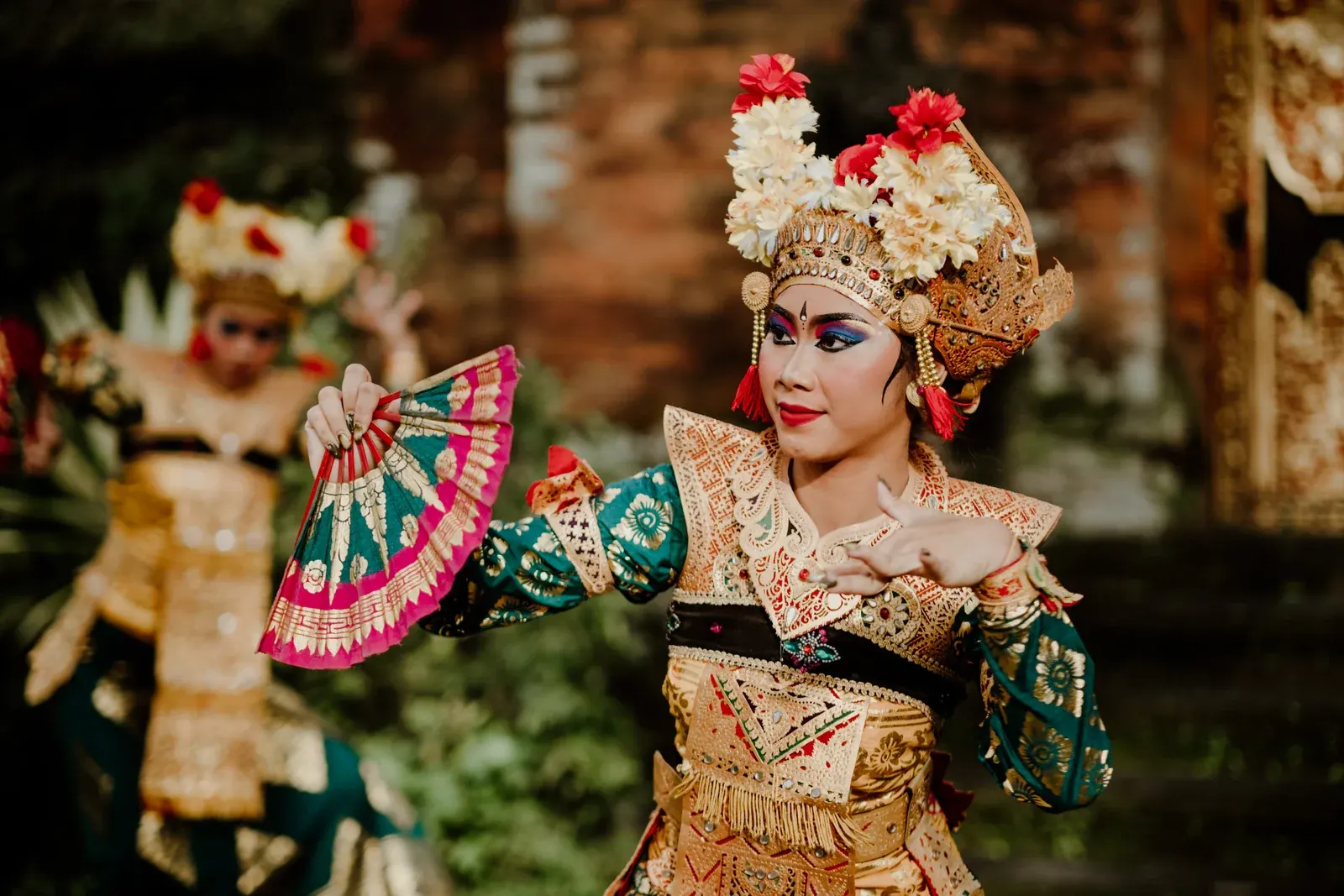
Community and reef activities work when the partner is real. Our published Bali partners include Bali Hai Cruises’ coral restoration workshop in Lembongan Bay, river clean-ups with Sungai Watch and the R.O.L.E. Foundation’s Zero Waste Centre. Boats and sites limit numbers, so run these as optional tracks and tell participants plainly that the work is real. Ubud, inland and cooler, is the natural cultural and wellness track for qualifiers who would rather not get on a boat, with rice terraces, temple visits with a local guide and craft villages; allow generous transfer times and give dress guidance for temples.
2027 calendar note: Nyepi, the Balinese day of silence, is a quiet celebration of the Balinese New Year focused on self-reflection. The island closes for 24 hours, including the airport. The date moves each year with the Balinese calendar. Nothing moves on Nyepi, including your group, so treat it as a hard exclusion or as a deliberate, well-briefed day in the resort. Our guide to corporate retreats and team building in Bali goes further.
Thailand and Vietnam: smaller groups, stronger stories
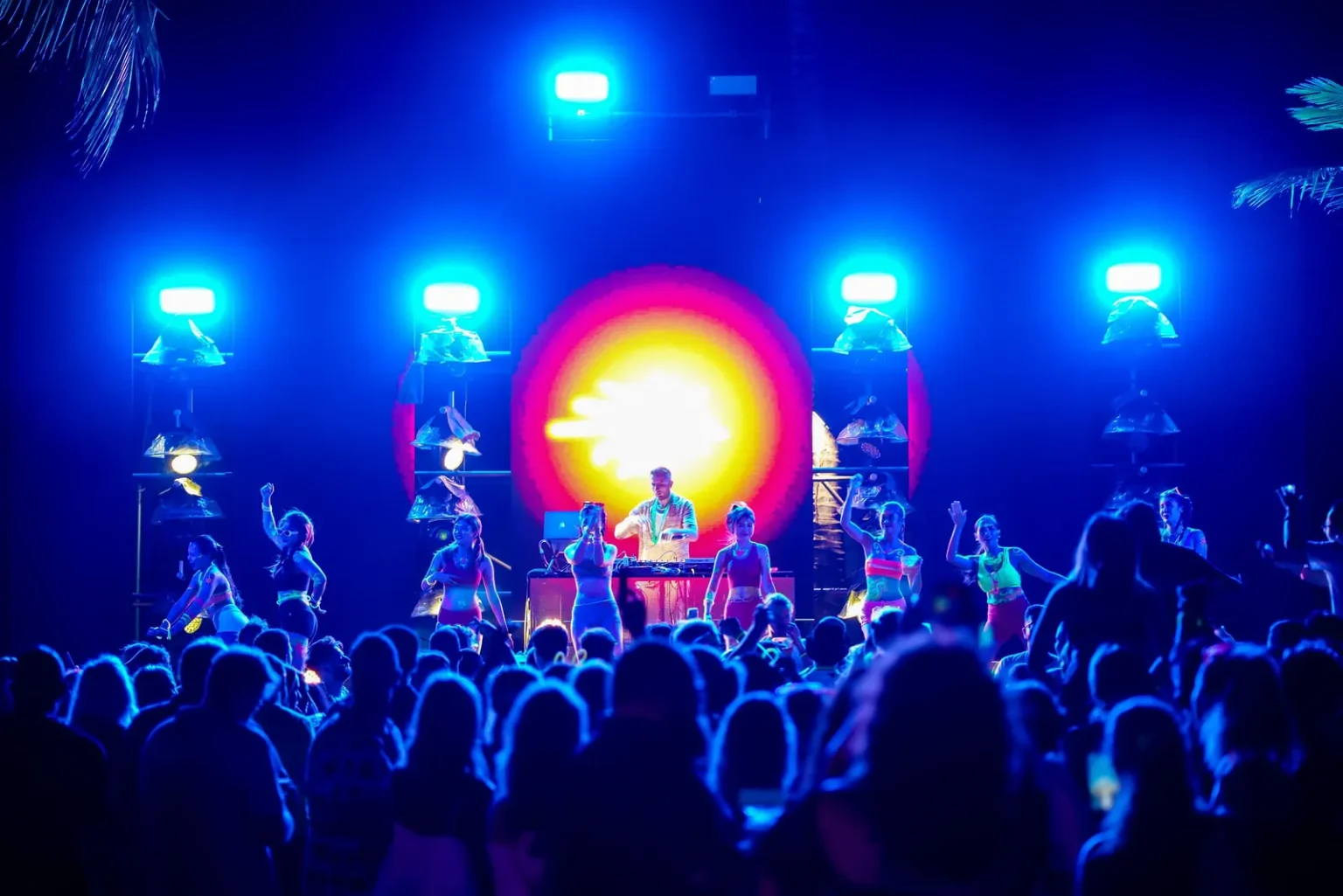
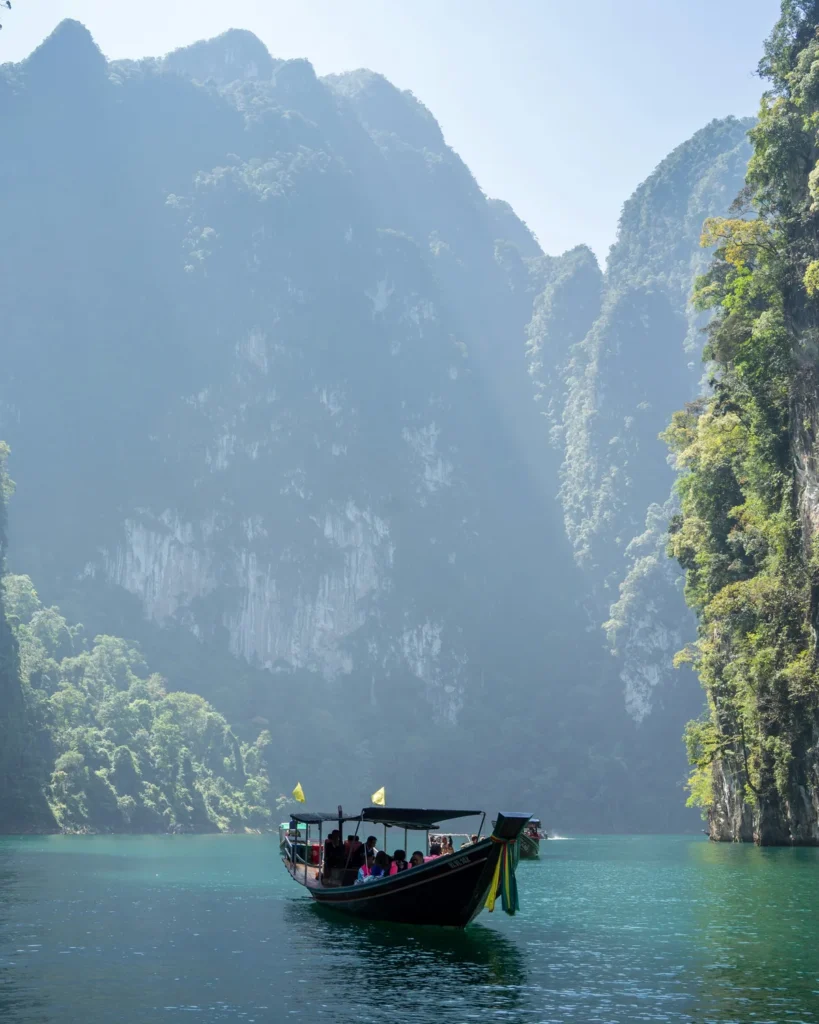
Thailand works at more than one scale. Power2Motivate appointed us to create a five-night incentive in Phuket for 600 people, opening with a Thai market-style welcome, using an exclusive beachfront buyout and finishing with a full moon party, with a separate high-level dinner for 30 champions at a unique venue. That last detail is worth copying: even a large program can hold one small, senior moment. Renato Fabbro, Event Manager at Amway ANZ, wrote of Bert Chamrernnusit, our Managing Director in Thailand: “His attention to detail and great creative sets Bert apart from his peers within the extremely competitive market that is Thailand”. We also encourage incentive organisers to include at least one CSR activity, and on one Thailand program 130 StreamlineEvents participants took part in a food for the homeless initiative.
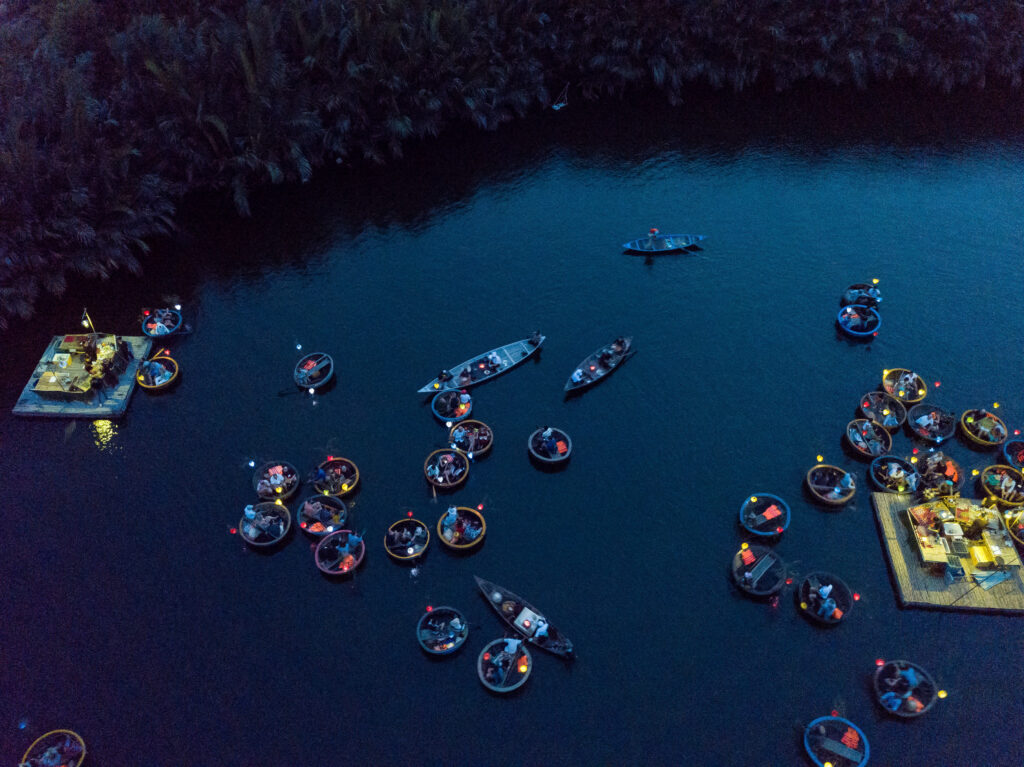
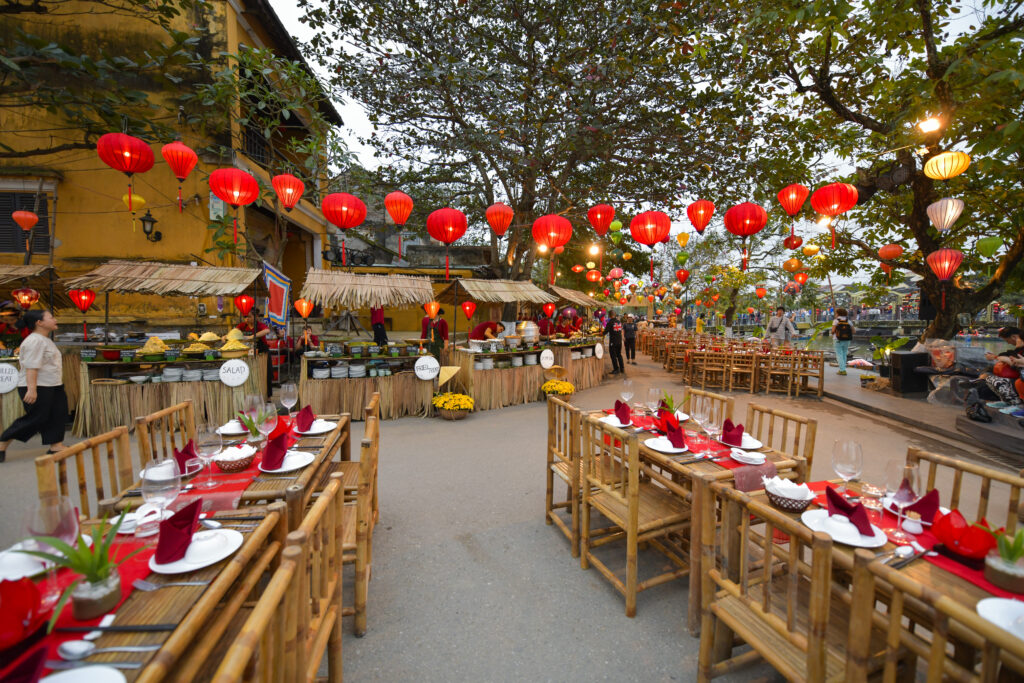
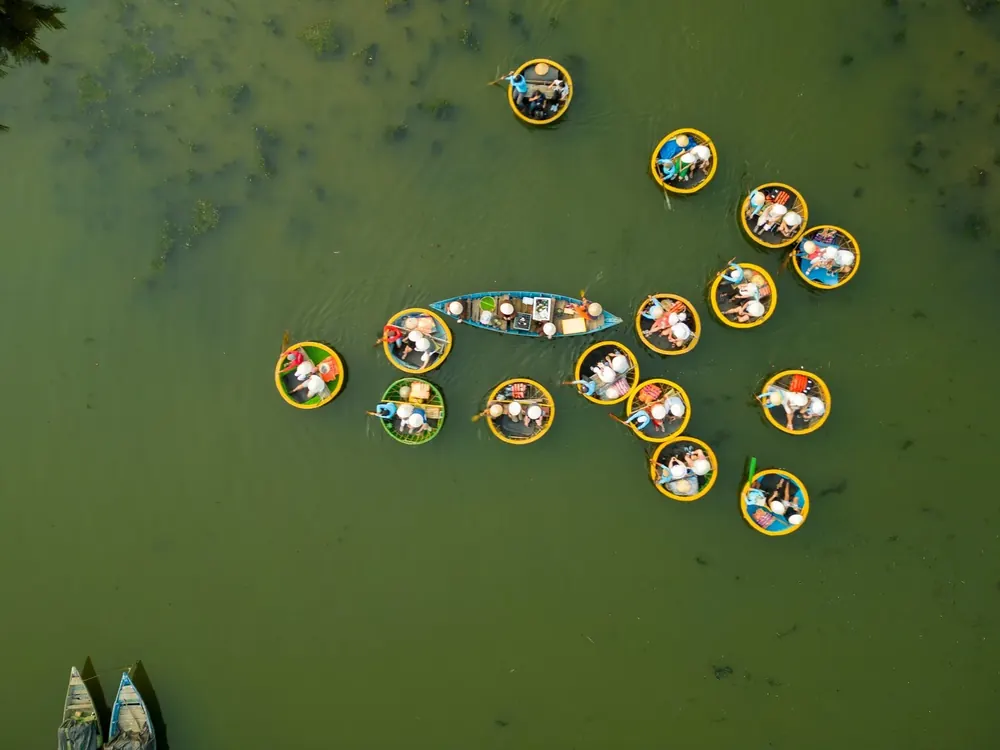
Vietnam rewards smaller groups. For 72 delegates from Connections Group of Companies, we took over a street corner in Hoi An’s old town for an exclusive dinner with market-style food stations, live cooking and cultural performances. For a delegate gift with a story, our Impact page features tree-to-bar chocolate from family businesses in South Vietnam. Both destinations also work well as a second stop after a city or resort segment.
Further afield: Australia, New Zealand and the Pacific
For groups flying from Australia and New Zealand, or programs that want a different kind of reward, the same principles travel. In Fiji, we ran what our case study describes as the first and only buyout of the Marriott Momi Bay Fiji Resort for 300 participants from a banking and finance client, with a full-day festival where guests rotated through adventure, cultural, relaxation and culinary activities, from jet skis and a kava ceremony to basket weaving and cocktail making. In Queenstown, 300 guests from an automotive client arrived by helicopter, 4WD and jetboat at a private farm for a keynote, then landed on a glacier to collect ice for their cocktails.
The calendar decides more than the theme
Season and calendar clashes are the most common reason a good idea becomes a bad week, so check them before dates are fixed.
In Singapore, the Meteorological Service explains that “The Northeast Monsoon occurs from December to early March, and the Southwest Monsoon from June to September”, with higher rainfall from November to January. Rain is usually heavy and short rather than all day, so the answer is cover and timing, not ruling out whole months.
In Bali, the coast is generally drier in the middle of the year and wetter around the turn of the year, and the Ubud highlands are wetter than the coast. Add Nyepi and the peak Australian and Indonesian school holidays, which tighten hotel inventory.
2026 dates (these move each year)
Singapore’s 2026 public holidays include Chinese New Year on 17 and 18 February, Hari Raya Puasa on 21 March, Hari Raya Haji on 27 May, National Day on 9 August and Deepavali on 8 November. Holiday weeks affect supplier availability and venue pricing, and over Chinese New Year many businesses close. The 2026 Singapore Grand Prix sprint weekend runs from 9 to 11 October, and Bali’s airport closed for Nyepi from 6:00 a.m. on 19 March to 6:00 a.m. on 20 March 2026. Check each of these again for the year of your program.
Designing around the people who earned it
A four-night program usually carries one flagship evening, one full experience day, a half-day of optional tracks and a genuinely free block. Stacking three big nights in a row flattens each of them and exhausts the crew as well as the guests.
Sustainability needs to survive scrutiny from participants and procurement alike. Choose one or two commitments the destination can deliver credibly, such as a catering approach or a community partner, and report plainly on what was done. Our guide to sustainable events in Asia covers the standards planners can reference.
Finally, bring the incentive agency and the in-market DMC together early. The agency owns the program design, qualifier communication and client relationship; the DMC handles venues, ground transport, permits, local suppliers, crew and contingency. Briefed together, the DMC can tell the agency which ideas survive the group size and the calendar before creative work begins. That is how we work with agencies at REALM. We have local leadership in Singapore, Indonesia, Thailand, Vietnam, China, Hong Kong, Australia, New Zealand and the Pacific Islands. Our page on incentive travel programs in Asia sets out the service.