


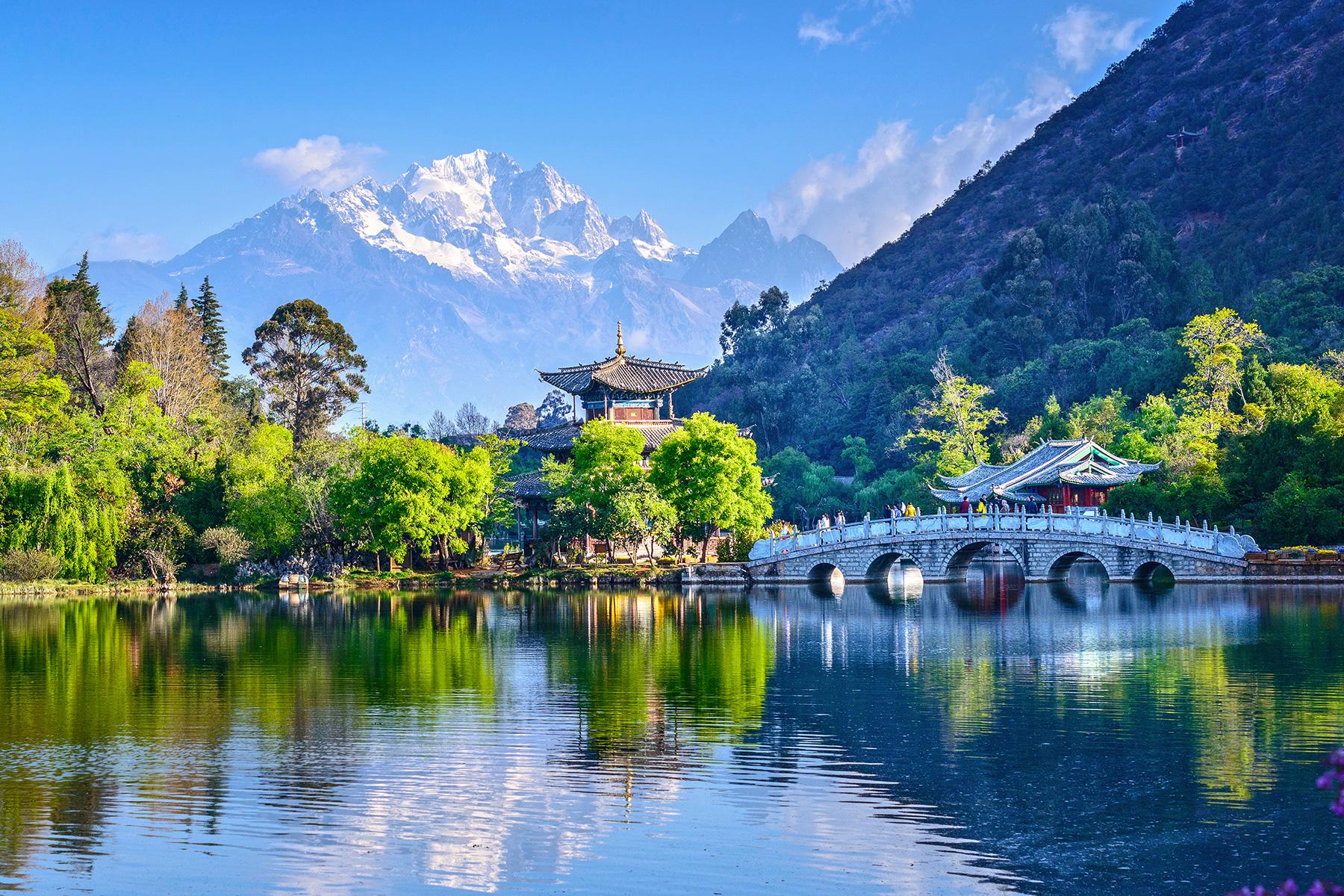
A MYSTICAL SANCTUARY ABOVE THE CLOUDS
High in the mountains of Yunnan lies Shangri-La, a serene destination where Tibetan culture, spiritual traditions, and breathtaking alpine scenery create a peaceful haven that feels worlds away from the bustle of modern life.
BEST TIME TO VISIT
The best time to visit Shangri-La is during the softer, more colourful seasons of spring and autumn. In May and June, the city feels fresh and alive as the famous flower seas come into full bloom, spreading colour across the highland meadows beneath snow-capped mountains. By September and October, the landscape shifts again, with golden tones, crisp skies and richly coloured forests creating a dreamlike setting for photography. July and August bring the rainy season, while November through April is colder, drier and more wintery, making spring and autumn the most beautiful times to experience Shangri-La at its most vibrant.

CLIMATE
High-altitude plateau climate / Subtropical highland climate
Spring Season: May and June
generally around 4°C–20°C. May can still feel quite fresh, especially at night, while June becomes milder during the day but starts to move toward the rainy season. Sources list May around 4°C–13°C on average and June around 8°C–20°C, depending on the source and elevation.
Autumn Season: September and October
generally around 0°C–19°C. September is still pleasantly cool, while October becomes noticeably colder, especially overnight. October averages are commonly listed around 0°C–14°C, with some warmer daytime periods possible.

CONNECTIVITY
Shangri-La is best accessed via one of China’s major international gateways, with Kunming, Chengdu or Chongqing offering the most convenient flight connections. From there, travellers can connect by domestic flight to Lijiang, followed by a scenic coach transfer through the mountains to Shangri-La. The journey from Lijiang is part of the experience, passing through dramatic highland landscapes, valleys and Tibetan-influenced villages before arriving into the peaceful alpine city of Shangri-La.
EXPERIENCES OF SHANGRI-LA CHINA

Breakfast with a View
Begin the day with one of Shangri-La’s most breathtaking natural rituals, as the first morning light touches the snow-capped peaks and turns the mountain face a glowing shade of gold. In the stillness of the early morning, the landscape feels almost sacred — crisp alpine air, soft sunlight and sweeping views across the highlands. After taking in the golden mountain sunrise, settle into a relaxed breakfast with fresh coffee overlooking the snow mountain, where every moment feels calm, cinematic and deeply connected to the beauty of Shangri-La.

Vineyard Closest to Heaven
Shangri-La is home to one of China’s most extraordinary emerging wine regions, where high-altitude vineyards are carved into dramatic mountain valleys beneath the Himalayas. Wineries such as Ao Yun, Xiaoling Estate, Domaine Muxin and Château Célèbre are helping shape the region’s reputation for rare, world-class wines defined by cool nights, warm days, steep terraces and mineral-rich soils. More than a tasting experience, wine in Shangri-La is a journey into remote landscapes, ancient villages and a terroir that feels remarkably close to the clouds.
For more detailed information on the award winning wines of China – visit Michelin Guide

Songzanlin Monastery
Discover the spiritual heart of Shangri-La through its magnificent Tibetan monastery architecture, where golden rooftops, richly coloured facades and mountain skies create a powerful sense of place. Steeped in culture, beauty and quiet reverence, this experience offers a glimpse into the region’s deep Tibetan heritage and timeless highland charm.

WHERE TO STAY IN SHANGRI-LA CHINA

Jinmao Purelax Lijiang
Against the spectacular backdrop of Jade Dragon Snow Mountain, the hotel combines traditional architecture with contemporary design to offer luxurious accommodations, exquisite dining, and authentic hospitality that exceed all expectations.
Guest Rooms: 305

Indigo Diqing Moonlight City, Shangri-La
Epitomizing the legendary lost paradise of idyllic beauty and tranquility. Shaded by sensuous greenery that is symbolic of the surrounding nature, reawakening the esoteric tales of the Ancient Tea Horse Road.
Guest Rooms: 99

Songtsem Lodge Shangahri-La
Songtsem’s first lodge opened its doors in 2001. A beautiful four-storey stone building housed in a traditional Tibetan dwelling within a self-sufficient farming village, facing Lamuyangtso Lake surrounded by mountains.
Guest Rooms: 23


